Song Meaning
The lyrics paint a picture of intense frustration and a desperate push-and-pull dynamic. The opening lines immediately establish a sense of conflict, with the narrator observing someone who "lie[s] now, then find[s] what you get" and "throw[s] a fucking fit." This sets a tone of exasperation, suggesting a relationship or interaction fraught with manipulation and emotional outbursts. The repeated phrase "You're no good" underscores a deep-seated disapproval, while the contrasting "It's so good" in the second verse hints at a confusing duality or perhaps a sarcastic jab at the other person's perceived success in their destructive behavior.
The central tension revolves around a boundary being drawn, yet simultaneously being eroded. The narrator declares, "You won't get to me / 'Til you cover me," a paradoxical statement that suggests a need for overwhelming presence or perhaps a desire for a complete takeover before they can truly be affected. This is coupled with a defiant "I don't need this shit," indicating a rejection of the current state of affairs. The plea "Give me more" in the second pre-chorus, immediately after calling someone a "fucking liar," further complicates this, hinting at a complex, perhaps masochistic, desire for the very thing being rejected.
The bridge introduces a shift, invoking "mother" and a desire for perfection within someone else's "world." This suggests a potential origin for the current conflict, perhaps a deep-seated need for approval or a struggle with familial influence. The repeated, almost incantatory, "I will come" followed by "Disappear" creates a powerful sense of impending action and subsequent withdrawal. It's a cycle of approach and retreat, a promise of arrival that is immediately undercut by a desire for vanishing, mirroring the push-and-pull established earlier.
Ultimately, the effectiveness of these lyrics lies in their raw, unvarnished portrayal of emotional turmoil. The direct, confrontational language, coupled with the contradictory desires expressed, creates a visceral sense of struggle. The narrator seems caught between wanting to push someone away and a strange, compelling need for them to fully engulf them, a conflict that feels both deeply personal and unsettlingly familiar.
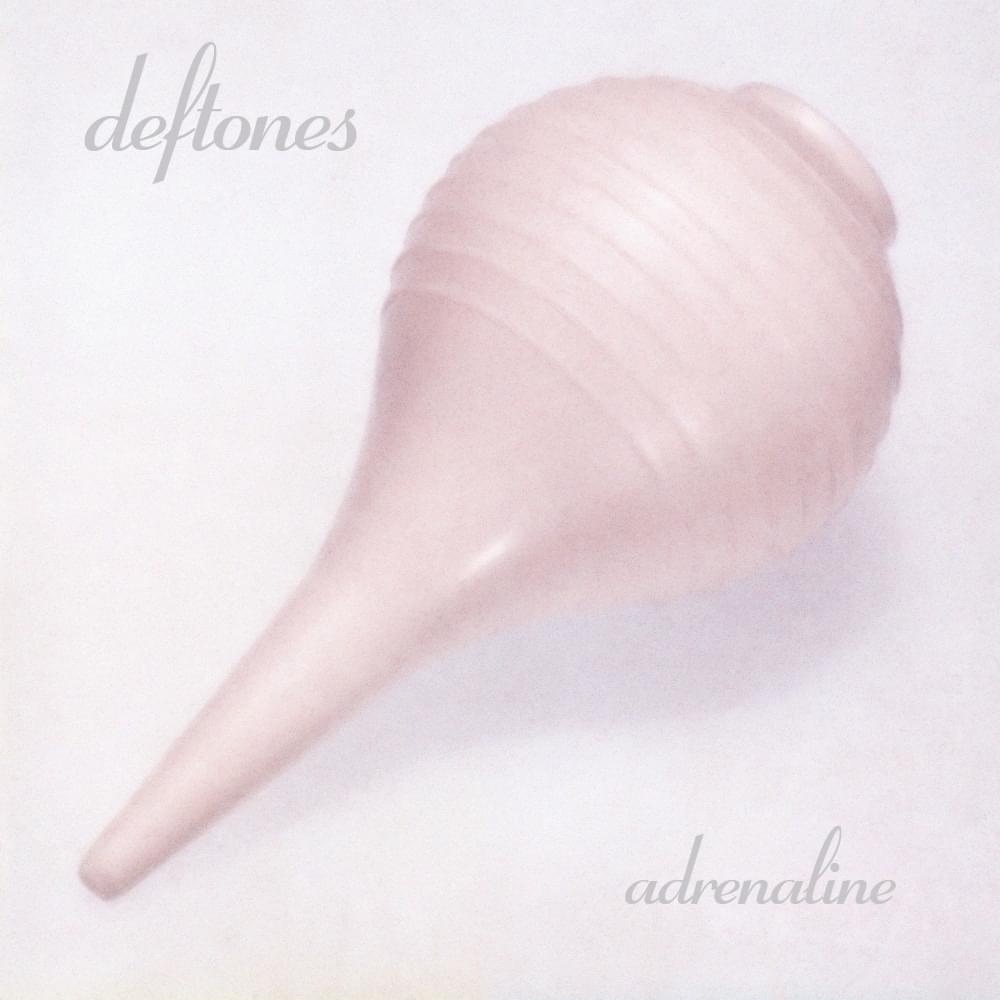
 View Artist