Song Meaning
The lyrics paint a picture of a nocturnal escape, where the fading light of day signals a call to the outside. There's a sense of longing to disappear, to "fade away" into the "gold light" that seems to beckon from the "objects of the night." The rain-slicked avenues offer a path to this dissolution, a place where the narrator feels a kinship with the encroaching darkness.
The central tension lies in the narrator's desire to merge with this nightscape, to become one with its ephemeral glow. This yearning is underscored by the poignant question, "I'll fade, why can't I?" It suggests an internal struggle or a perceived barrier preventing them from achieving the seamless transition they observe in the world around them. The night, with its "mirrors for the light," seems to offer a possibility of transformation that remains just out of reach.
The craft here is subtle, relying on evocative imagery and a gentle, almost melancholic rhythm. The repetition of "fade" emphasizes the core desire for disappearance and transformation. The contrast between the "dark" day and the inviting "gold light" of the night creates a distinct emotional atmosphere, positioning the night not as something to fear, but as a welcoming, albeit mysterious, entity. The objects of the night are personified as calling, drawing the narrator into their embrace.
This lyrical passage resonates because it captures a universal feeling of wanting to escape, to dissolve into something larger and perhaps more beautiful than one's current reality. The specific, yet dreamlike, imagery of rain-swept streets and phasing into light makes this desire tangible, while the final question leaves the listener with a lingering sense of unresolved yearning.
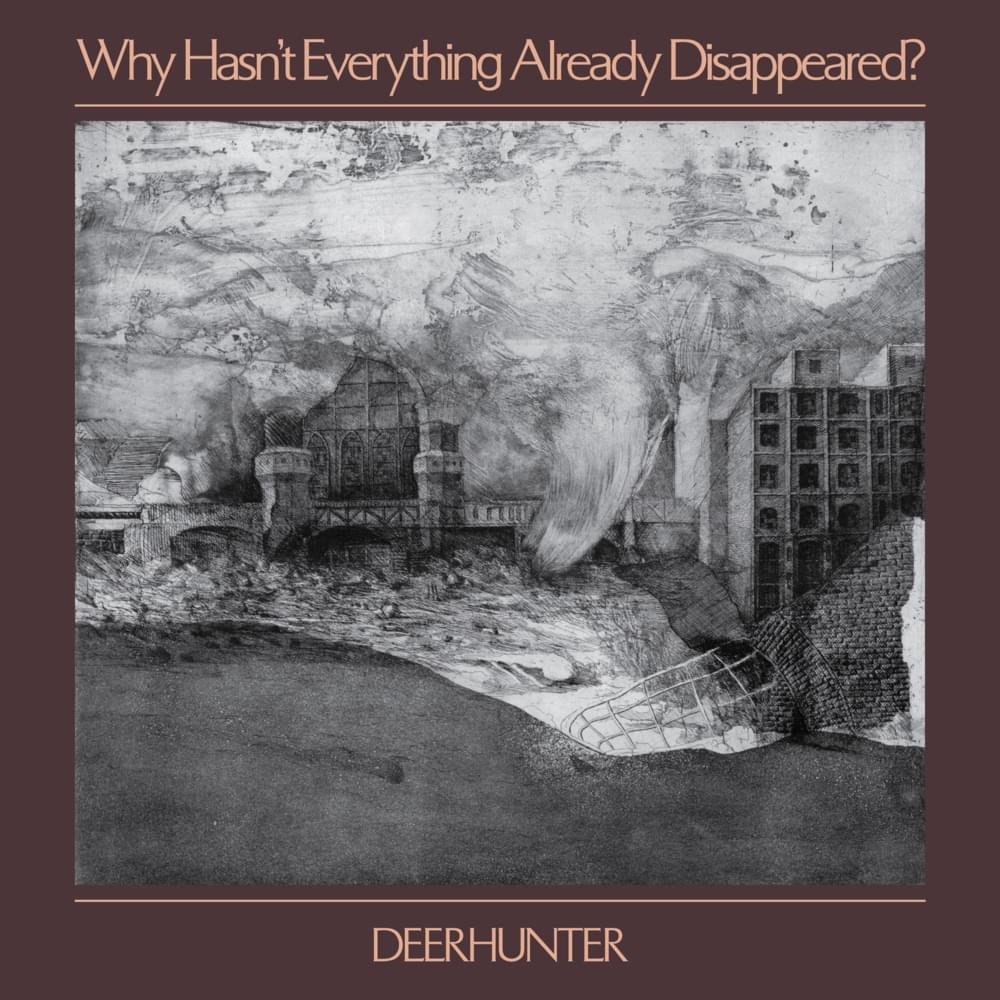
 View Artist