Song Meaning
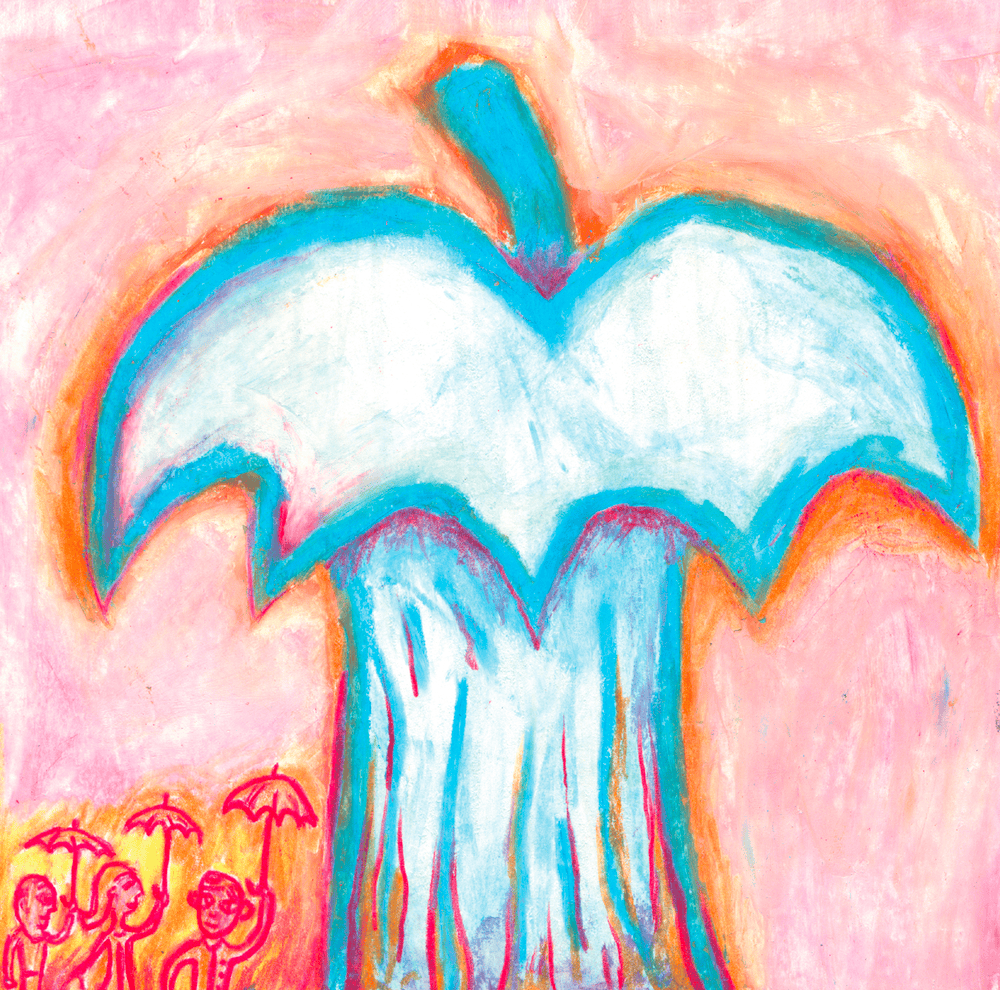
The lyrics open with a disorienting, almost frantic repetition of questions: "What's that core on the floor?" and "What the devil was that for?" This immediately establishes a scene of confusion and perhaps destruction, hinting at something broken or shattered. The insistent queries suggest a search for understanding in the aftermath of an event, creating a palpable sense of unease and bewilderment.
The central tension seems to revolve around a figure described as someone who "would do harm, bad indeed." The narrator's plea, "Try to lift him up for me," juxtaposes a desire for assistance or perhaps redemption with the acknowledged dangerous nature of the subject. This creates a conflict between a need for connection or resolution and the inherent risk associated with the person in question.
The most striking element is the stark contrast between the chaotic, questioning intro and the simple, almost dismissive refrain of "More l'amour." This repeated phrase, especially when sung with the "la-la-la" accompaniment, feels like a forced or ironic invocation of love in the face of evident damage. It's as if the narrator is trying to paper over the mess with a superficial plea for affection, highlighting a disconnect between the perceived problem and the desired solution.
This lyrical approach is effective because it uses sonic and thematic dissonance to mirror emotional turmoil. The relentless questioning and the repeated warning about harm are undercut by the seemingly carefree "l'amour," making the plea for love feel less like a genuine desire and more like a desperate, perhaps even deluded, coping mechanism. The ambiguity leaves the listener pondering the true nature of the situation and the narrator's state of mind.
 View Artist