Song Meaning
The lyrics paint a picture of escalating, perhaps uncontrollable, growth and distortion. The "mushroom" and "balloon" are presented as things that have exceeded their intended or natural bounds, becoming something else entirely – the mushroom "too wide," the balloon "too high." This expansion is met with a sense of unease, underscored by the insistent, almost frantic repetition of "multiply" and the stark declaration that the balloon "you're a lie." It suggests a loss of control or a deviation from an original, perhaps more innocent, state.
The core tension seems to arise from the contrast between this outward expansion and the narrator's self-identification. The repeated refrain, "Ay, that's me / Up on the big screen," places the narrator in a position of public visibility, almost like a performance. This public display is juxtaposed with the unsettling imagery of distorted growth and deception from the verses. It raises questions about authenticity: is the person on the "big screen" the same as the one experiencing this uncontrolled expansion, or is it a curated, perhaps false, representation?
The most striking craft element is the use of simple, almost childlike metaphors that carry a heavy, adult weight. The "mushroom" and "balloon" are familiar objects, but their descriptions – "grown too wide," "gone too high" – and the subsequent accusations of lying and the command to "move aside" imbue them with a sense of corruption or betrayal. The outro then crystallizes this ambiguity, stating, "An honest pawn / Can still do wrong / The perfect con." This suggests that even someone seemingly innocent or manipulated can be involved in deception, or that the entire spectacle, including the narrator's presence, might be a carefully constructed illusion.
This lyrical construction is effective because it uses stark, declarative statements and simple, repetitive structures to build a disquieting atmosphere. The direct address and the confident assertion of identity on the "big screen" clash with the unsettling imagery, creating a sense of unease that lingers. The final lines offer a chilling ambiguity, leaving the listener to question the nature of the "big screen" persona and the reality it represents.
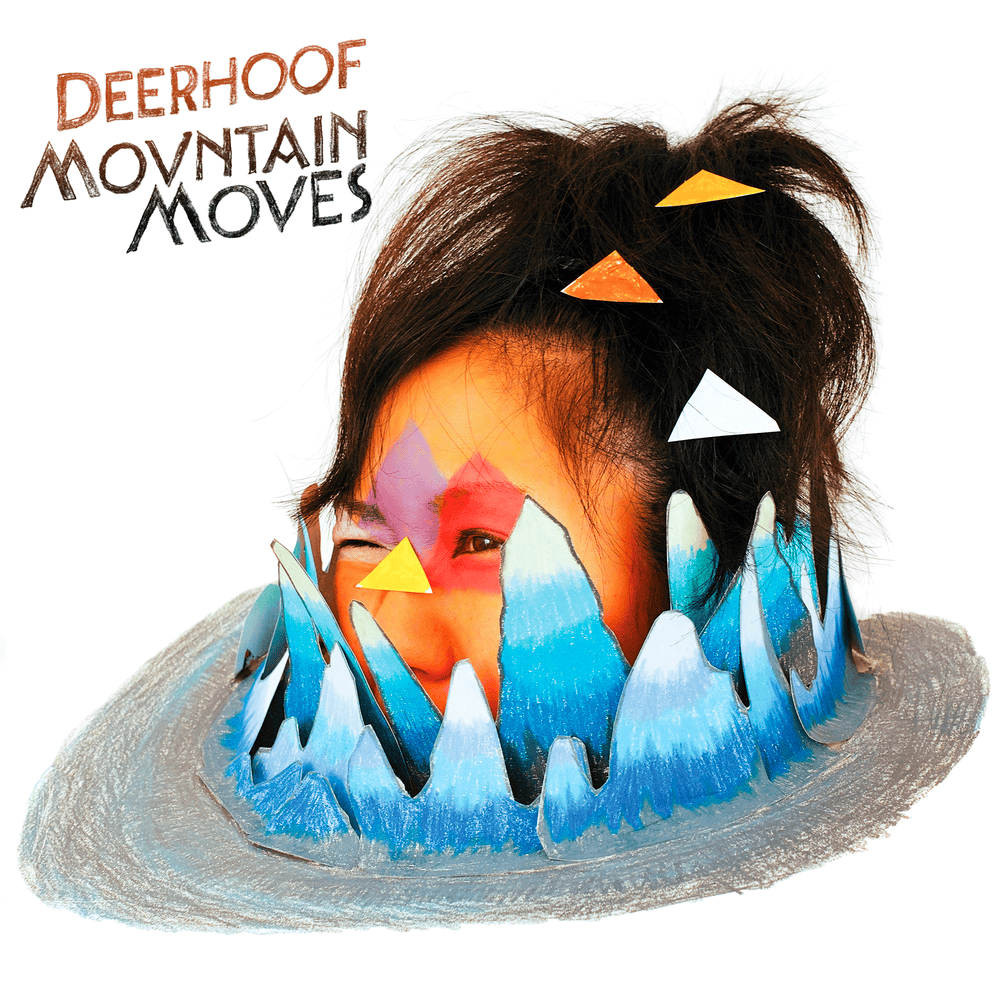
 View Artist