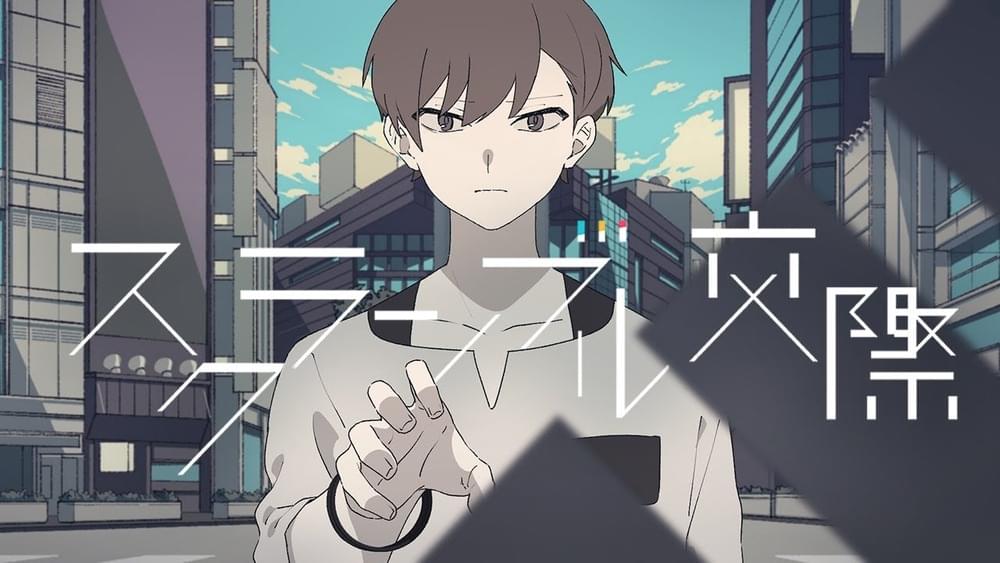
Song Meaning
This track dives into the chaotic, often painful, nature of modern relationships, questioning conventional romantic progression. The narrator expresses a desire for something immediate and intense, rejecting the idea of a slow, 'proper' courtship. The lyrics paint a picture of emotional turmoil, where the desire for connection clashes with the fear of getting hurt, leading to a preference for a "scrambled" or "distorted" approach to love. The repeated phrase "勿体無いじゃない" (Isn't it a waste?) suggests a frustration with the perceived inefficiency or lack of passion in traditional dating, pushing for a more urgent, even reckless, pursuit of affection.
The central tension lies in the narrator's simultaneous yearning for deep connection and their awareness of its potential to cause pain. They acknowledge the cycle of wanting to "hate" someone as a test, only to realize that "absolute impossibility = mostly possible," indicating a self-aware, perhaps cynical, understanding of their own desires. This internal conflict fuels the desire for "instant love," a quick, satisfying fix that bypasses the slow build-up and potential heartbreak of a more conventional relationship. The lyrics suggest a feeling of being trapped in this cycle, where love inevitably leads to hurting each other and saying goodbye.
A striking element is the juxtaposition of "四つ打つ出会いの衝動" (four-on-the-floor impulse of meeting) and "裏打つ別れの衝動" (off-beat impulse of parting), mirroring the driving, rhythmic nature of intense relationships and their equally potent, perhaps more jarring, endings. This rhythmic contrast highlights the volatile energy of these connections. The narrator's embrace of a "distorted" path as the "correct" one, despite the lingering pain, reveals a coping mechanism where embracing the messiness is seen as more authentic than striving for an unattainable ideal of "legitimacy" or "order" in love. The desire for "instant love" is presented not as a casual whim, but as a response to the perceived inevitability of pain in deeper connections.
The effectiveness of these lyrics stems from their raw, almost desperate honesty about the complexities of modern romance. The narrator's willingness to admit to wanting to "become a fool" and their self-awareness of the "normal addiction" point to a relatable struggle with emotional vulnerability. The final verses, where past love "evolves" and "breathes" within the narrator's heart regardless of who they love next, offer a poignant, albeit melancholic, resolution. It suggests that even in a "scrambled" pursuit of love, the experiences, and the pain, leave an indelible mark, shaping the individual in profound ways.