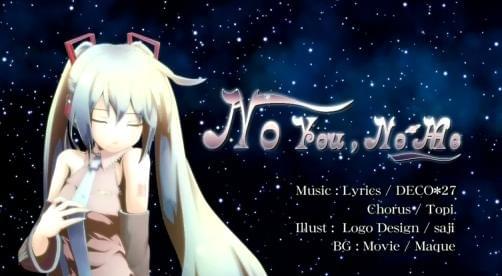
Song Meaning
The lyrics paint a picture of intense longing and the painful realization of separation. The narrator desperately wants to connect, their "trembling fingertips" reaching out, but a barrier prevents them from touching their beloved. Each "See you later" from the other person is met with a desperate "No. I don't want to," highlighting the narrator's resistance to the impending distance. This initial scene is charged with the raw emotion of wanting to hold on when everything else suggests letting go.
The central tension revolves around the narrator's identity being intrinsically tied to the other person's presence. "Because you were here, I was me," they state, posing the devastating question, "So what can I become now?" This existential crisis is amplified by the narrator's struggle to reconcile their internal grief with an outward facade. They wear a "smile mask" to ward off "the infection called love," refusing any affection from others because it's only the beloved's that matters. This creates a poignant contrast between the desire for connection and the self-imposed isolation.
The most striking craft element is the recurring motif of "reaching" and "responding." The narrator feels they can "almost reach" the stars, but not their beloved, and the response they receive is "Into the sky without you." Later, they imagine a response: "I've come to see you, leaving nothing behind." This back-and-forth, this imagined dialogue, underscores the narrator's desperate attempt to bridge the gap, even if only in their mind. The lyrics also play with the idea of the beloved's presence persisting internally, with the narrator seeing themselves through the beloved's eyes even after the physical separation.
Ultimately, the effectiveness of these lyrics lies in their raw, almost childlike expression of heartbreak and dependence. The narrator's vulnerability is palpable as they grapple with a loss that feels like an erasure of self. The shift from "it was a song for you" to "it is a song (you know)" suggests a powerful internal reconciliation, where the beloved's memory becomes a source of strength, even in their absence. This transformation, rooted in the lyrical struggle, makes the emotional impact resonate deeply.