Song Meaning
The lyrics paint a stark picture of oppression and a desperate yearning for freedom. Opening with "Gritos de amargura, estado de excepción," the scene is immediately set in a place of profound suffering and martial law. The narrator describes a populace "Humillados, torturados, buscando libertad," emphasizing the brutal conditions and the singular, driving desire for liberation. This intense struggle is directly addressed as "Sois viento de libertad," personifying freedom as an unstoppable force.
The central tension lies in the cyclical nature of struggle and survival, articulated as "Orgullo de una estirpe, vivir para luchar / Nobleza de un pueblo, luchar para vivir." This phrase highlights a deep-seated pride and a noble, albeit grim, existence defined by the fight itself. The very act of living becomes synonymous with fighting for it, and the fight is for the sake of living. This relentless cycle is again met with the powerful image of "Sois viento de libertad."
The lyrics then shift to a more specific, almost defiant call to action, naming "Punks de Euskadi hay futuro, atacar / Skins de Euskadi hay futuro, es luchar." This juxtaposition of distinct subcultures, united under the banner of Euskadi (the Basque Country), suggests a broad coalition fighting for a shared future. The repetition of "hay futuro" (there is a future) offers a glimmer of hope, directly tied to the act of resistance, and this hope is once more encapsulated by "Sois viento de libertad."
What makes these lyrics so potent is their raw, unvarnished portrayal of a people pushed to their limits, finding their identity and their future in the very act of rebellion. The recurring phrase "viento de libertad" acts as an anthem, a powerful, almost elemental force that embodies the collective spirit and the unyielding pursuit of liberation against overwhelming adversity.
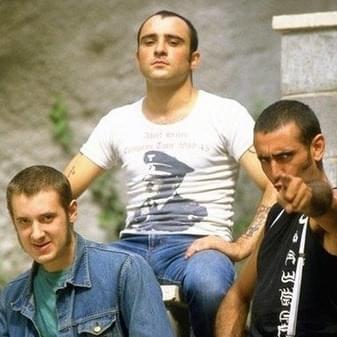
 View Artist