Song Meaning
Deborah Allen's "Two Shades Of Blue" isn't just heartbreak; it's the slow, agonizing fade of a vibrant love into monochrome despair. The initial imagery is lush – brown eyes, emerald green, silver moonlight – a kaleidoscope of potential. This wasn't a train wreck from the start; it was a masterpiece in progress, jointly painted by two souls deeply entwined. But the insidious creep of sorrow, the "tears we've been crying each day," acts as a solvent, bleeding those brilliant colors into a uniform, oppressive blue. It's the color of sadness, yes, but also of a pervasive emotional coldness, a sense of being submerged in grief. The lyrics analysis reveals a profound sense of loss, amplified by what could have been.
The repeated chorus, "Two shades of blue / Poor me and you," underscores the duality of the shared experience. It's not just *one* person suffering; it's a mutual descent. The “poor me and you” lyric is particularly devastating; it’s the recognition of shared helplessness, a quiet acknowledgement that both are trapped in this melancholic state. There's a subtle, almost accusatory tone embedded within the ‘poor me and you’ phrasing that suggests a shared responsibility for the relationship's demise. The rhetorical question, "What will we do?" hangs heavy, devoid of easy answers or hopeful platitudes. It's a question posed not with expectation, but with a weary resignation. The song meaning becomes clear: it's about the agonizing process of watching a relationship dissolve, not with a bang, but with a slow, soul-crushing dilution.
The second verse deepens the ache with the wistful line, "In our kaleidoscope dream we could have had everything." The dream, once vibrant and full of possibility, is now shattered against the hard edge of reality. The contrast between the dream and the present is sharp, emphasizing the profound sense of wasted potential. The image of “dancing alone in the dark” is a poignant one, highlighting the isolation that has replaced intimacy. This isn't a dramatic, fiery breakup; it's the quiet, lonely dance of two people who have drifted apart, their silhouettes fading into the encroaching darkness. The repetition of the chorus and the final, desperate plea of "What in the world will we do?" only amplify the song's central theme: the crushing weight of lost love and the uncertain future that stretches ahead, painted in varying shades of blue.
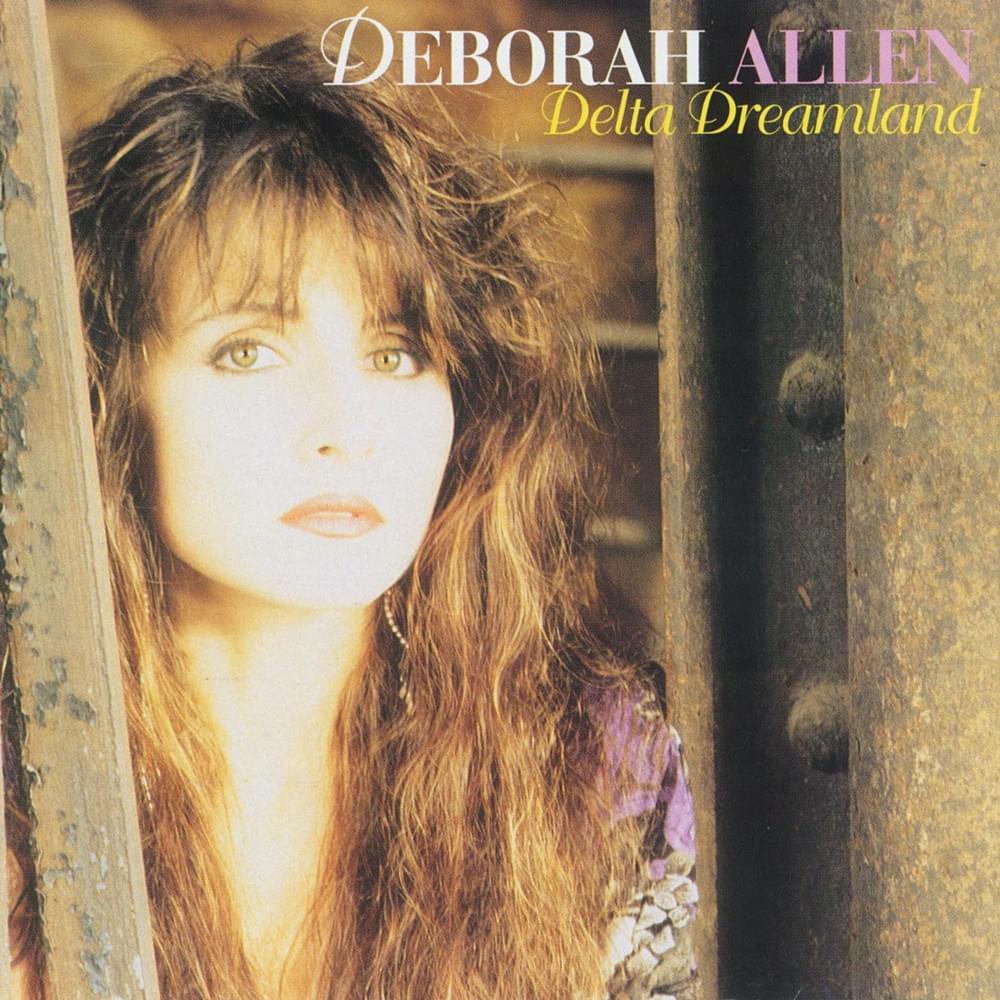
 View Artist