Song Meaning
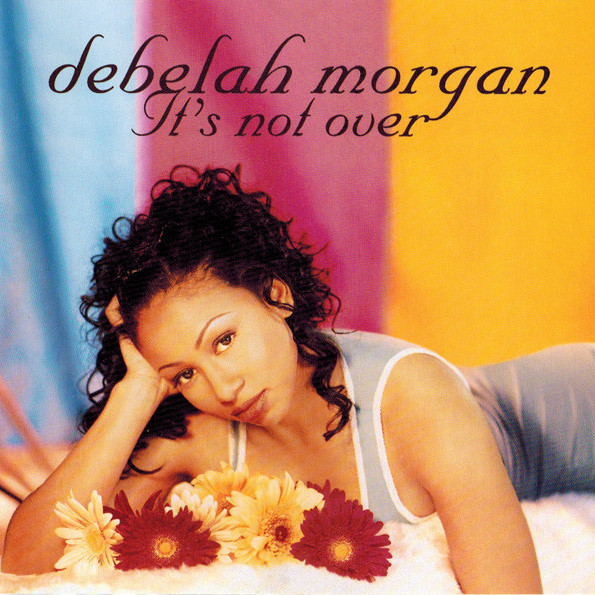
Debelah Morgan's "LIGHTS" isn't just another R&B heartbreak ballad; it's a raw, almost primal scream from the depths of romantic abandonment. The song circles the psychic wound left by a lover's departure, less focused on the reasons for the split and more on the agonizing, lingering aftermath. The listener is dropped directly into the singer's present agony, a space defined by the haunting repetition of 'I still remember yesterday.' This isn't nostalgia; it's an obsession, a mental loop of what *was* that actively prevents her from moving forward. The directness of the lyrics – 'Who's gonna love me baby / Who's gonna hold me now' – cuts through any potential artifice, revealing a vulnerability that's both intimate and unsettling. She's not just missing the affection; she's questioning her own lovability in the wake of this rejection. The repeated assertion, 'Baby you're so fine / You're always on my mind,' hints at an idealization of the lost lover, a common psychological defense mechanism to avoid confronting the full reality of the relationship's failure.
The song meaning of "LIGHTS" lies in the disjunction between memory and reality. The 'yesterday' she clings to is not a static recollection but a constantly replayed and revised narrative. This is underscored by the line, 'I rehearse in my mind / More than a thousand times / This broken melody.' The memory itself becomes a source of pain, a 'broken melody' that reinforces her sense of loss. This constant rehearsal speaks to a deeper need for control, a desperate attempt to rewrite the ending of the relationship in her mind, even though she knows it's futile. The undercurrent of sensuality in lines like 'Kiss me tenderly / And rub my body down' further complicates the emotional landscape. It's not just the absence of love she mourns, but the absence of physical intimacy, highlighting the deep connection that once existed and the void it has left behind.
Ultimately, "LIGHTS" exposes the isolating nature of heartbreak. Despite the potential for connection implied by the repeated address of 'baby,' the singer remains trapped within her own subjective experience of loss. The question 'Tell me what the hell am I supposed to be feeling now' is not a genuine request for guidance but a rhetorical expression of her confusion and despair. Debelah Morgan doesn't offer easy answers or resolutions in this song. Instead, she provides a starkly honest portrayal of the messy, often irrational, emotional terrain of grief and the difficulty of letting go of a love that has become a haunting memory. The song's power resides in its unflinching gaze at the raw nerve of heartbreak, a universal experience rendered with painful specificity.
 View Artist