Song Meaning
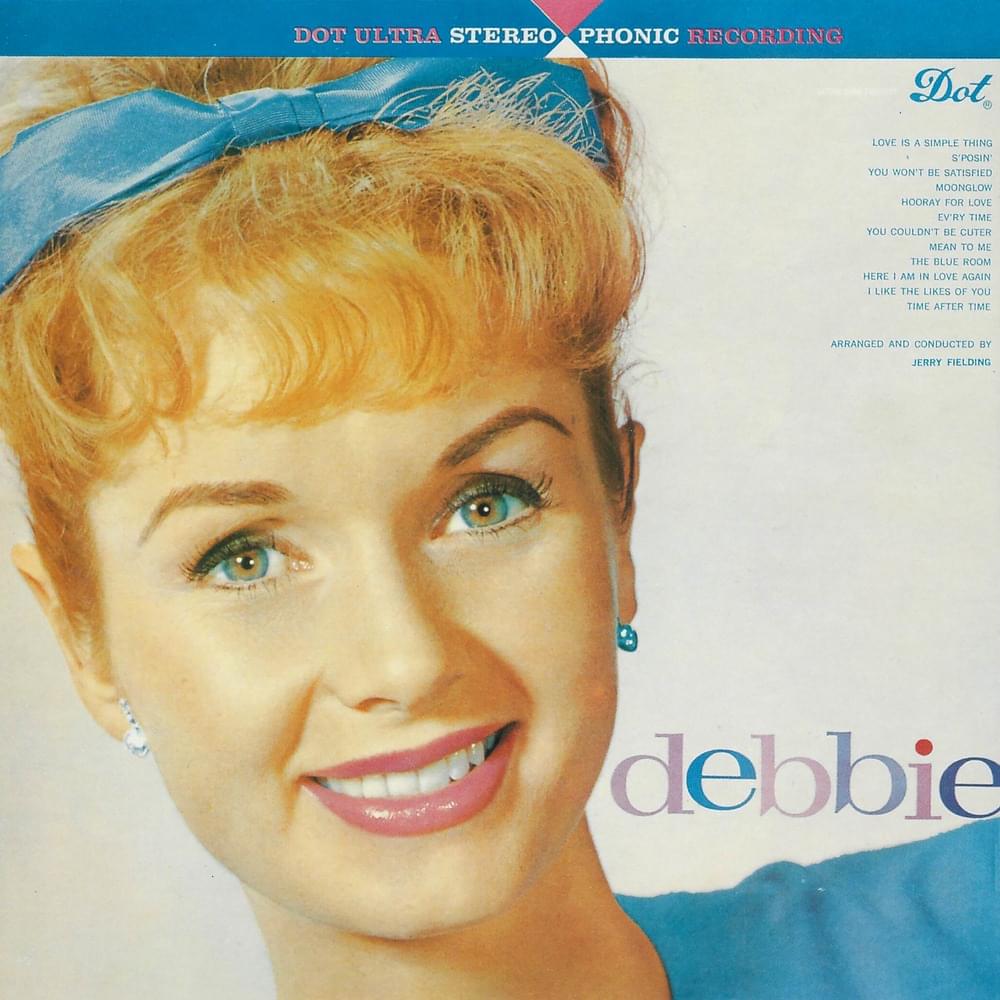
Debbie Reynolds's rendition of "Time After Time" floats on a deceptively simple surface. The song, at its core, is an ode to enduring love, but it's the psychological undercurrent that elevates it beyond saccharine sentimentality. The repeated phrase "Time after time / I tell myself that I'm / So lucky to be loving you" isn't just a statement; it's a mantra, a conscious affirmation against the inevitable doubts and anxieties that plague long-term relationships. The singer isn't simply *feeling* lucky; she's actively *choosing* to feel lucky, reinforcing a positive narrative within her own mind.
This act of repeated affirmation speaks volumes about the nature of commitment. It acknowledges that love isn't a static state, but a dynamic process requiring constant tending. The pre-chorus, with the lines "I only know what I know / The passing years will show / You've kept my love so young, so new," hints at a shared effort in maintaining the relationship's vibrancy. It's a recognition that the partner isn't just a passive recipient of affection but an active participant in its renewal. The simplicity of the lyrics belies the sophisticated understanding of relationship psychology at play.
What makes Reynolds's performance especially compelling is the underlying vulnerability. The repetition could also be interpreted as a defense mechanism, a way to ward off the fear of loss or disillusionment. The "lucky to be the one you run to see" line reveals a subtle insecurity, a need for reassurance that her place in the partner's life is secure. This vulnerability, coupled with the outward declaration of gratitude, creates a complex and relatable portrait of love – not as a fairy tale, but as a conscious, ongoing negotiation with oneself and one's partner.
 View Artist