Song Meaning
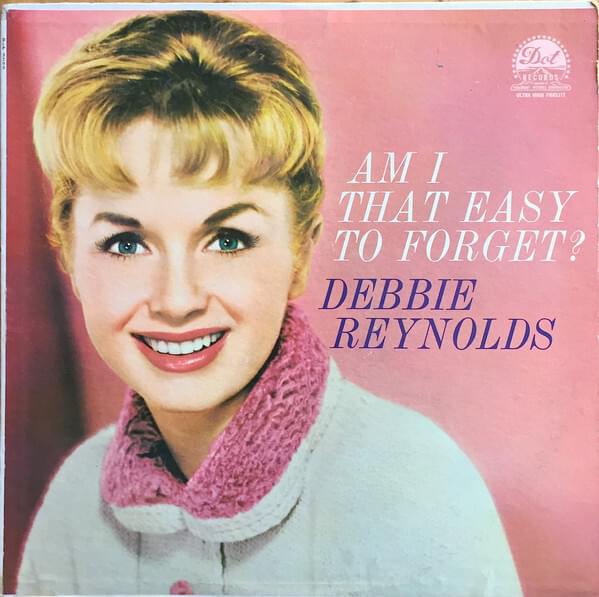
Debbie Reynolds' rendition of "Am I That Easy to Forget?" cuts straight to the quick of romantic abandonment, a raw nerve exposed in under three minutes. The song, a plea cloaked in wounded pride, explores the agonizing limbo of a love on the brink. It's not just about being replaced; it's about the erasure of shared history, the fear that a significant bond could be so easily dismissed. The singer grapples with the cognitive dissonance of knowing her love hasn't faded, while facing the prospect of being utterly forgotten by the object of her affection. The rhetorical question at the heart of the song isn’t merely seeking reassurance; it's a desperate attempt to puncture the other person's indifference, to force a recognition of the emotional investment that was made.
The lyrics hinge on a fascinating psychological defense mechanism: denial. The singer proposes a radical act of self-preservation, stating "I'll just say we've never met," but this is an obvious bluff. The repetition of this line, coupled with the initial declaration of unwavering love, reveals the fragility of this facade. It's a classic example of reactive formation, where the outward behavior is the polar opposite of the underlying feeling. The 'easy to forget' idea clearly torments the singer. She would rather rewrite the narrative of their relationship entirely than confront the reality of her own disposability in the eyes of her former lover.
Ultimately, "Am I That Easy to Forget?" functions as a potent exploration of memory, identity, and the pain of being rendered insignificant in someone else's life. The song’s impact lies in its unflinching portrayal of vulnerability, capturing the universal fear of being easily replaced and the struggle to maintain one’s sense of self in the face of rejection. Debbie Reynolds delivers this with a delicate balance of strength and despair, making the listener acutely aware of the emotional stakes involved. It’s a timeless exploration of heartbreak, proving some questions linger long after the music fades.
 View Artist