Song Meaning
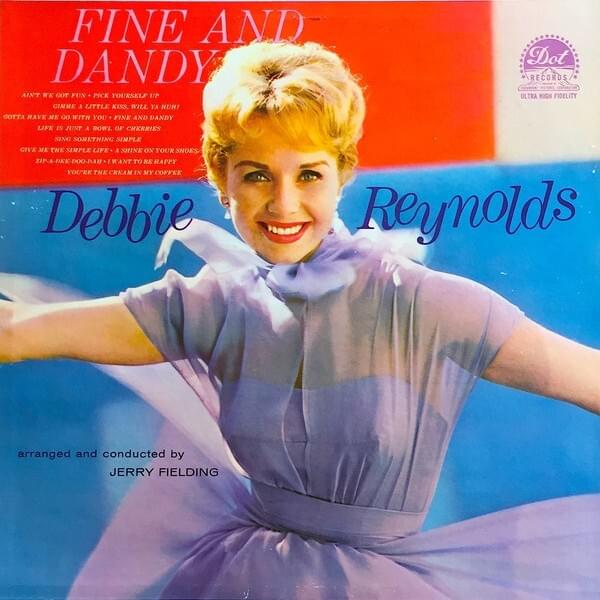
Debbie Reynolds' rendition of "Ain't We Got Fun?" feels less like a naive celebration and more like a sharply ironic commentary on economic disparity. The song, on the surface, chirps about finding joy despite financial hardship. But the relentless repetition of "Ain't we got fun?" in the face of mounting debt, unpaid rent, and the looming tax collector, drips with a kind of gallows humor. It's the forced optimism of a couple clinging to each other as the world crumbles around them. The core sentiment acknowledges a system rigged against the poor, where "the rich get rich and the poor get poorer," a line that stings with a truth as relevant today as it was when the song was first popularized. Reynolds' delivery, even with its inherent charm, can't completely mask the underlying desperation.
The song's brilliance lies in its contrast. It's a jaunty tune about being broke, a defiant act of finding pleasure in the face of precarity. The lyrics create a portrait of a couple who are, quite literally, facing ruin. They don't even have a pot to cook stew in, a stark image of poverty. Yet, they choose to focus on the "fun," a coping mechanism born of necessity. This isn't about denying reality; it's about surviving it with a shred of dignity and a partner in crime. The bridge, with its lines about looking a wreck and the house being a mess, further underscores the couple's awareness of their situation. They're not delusional; they simply refuse to be defeated by it.
Ultimately, "Ain't We Got Fun?" transcends its simple melody to become a poignant reflection on class, resilience, and the human spirit's capacity to find light in the darkest of times. It asks us to consider what "fun" truly means when basic needs are unmet and the future is uncertain. Is it genuine joy, or a carefully constructed facade? Perhaps it's both. The song's enduring appeal is a testament to its complex and nuanced exploration of the human condition under economic pressure, a theme that continues to resonate deeply across generations.
 View Artist