Song Meaning
Debbie Harry's "Wild Horses" isn't a cover of The Rolling Stones' classic, but an entirely different beast, a haunting meditation on enduring connection despite pain and disillusionment. The song circles around the central metaphor of "wild horses" – representing untamed emotions, perhaps, or an unyielding will – that cannot sever the bond between two people. The opening verses suggest a history of sacrifice and unmet expectations: "The things you wanted I bought them for you." This hints at a dynamic where one person provided, possibly enabling the other's "graceless" behavior, yet now refuses to completely disengage. The phrase "Wild horses couldn't drag me away" becomes a mantra, a testament to the stubborn persistence of love or loyalty, even in the face of disappointment. The lyrics analysis reveals a story of complicated codependency.
The song meaning deepens with the acknowledgement of shared suffering: "I know you suffer a dull aching pain / Now you decided to show me the same." This suggests a reciprocal infliction of hurt, a cycle of pain within the relationship. Yet, there's a refusal to resort to dramatic exits or bitterness. Instead, Harry sings, "No sweeping exits or offstage lines / Could make me feel bitter or treat you unkind." This highlights a conscious choice to maintain dignity and compassion, even when wounded. It's a mature perspective, acknowledging the flaws and imperfections of the other person without resorting to vengeful behavior.
Ultimately, "Wild Horses" explores the complexities of human connection, acknowledging the presence of "sin and a lie" within the relationship. The lines "Faith has been broken / Tears must be cried / Let's do some living after we die" point towards a desire for renewal and transformation. The phrase "I have my freedom but I don't have much time" is a poignant reminder of mortality, urging a shift towards genuine living, perhaps after the pain has subsided. The recurring image of riding "wild horses someday" offers a glimmer of hope, suggesting that these untamed emotions can eventually be harnessed and directed towards a brighter future. The song's beauty lies in its unflinching portrayal of flawed relationships, where love and pain coexist, and the possibility of redemption remains.
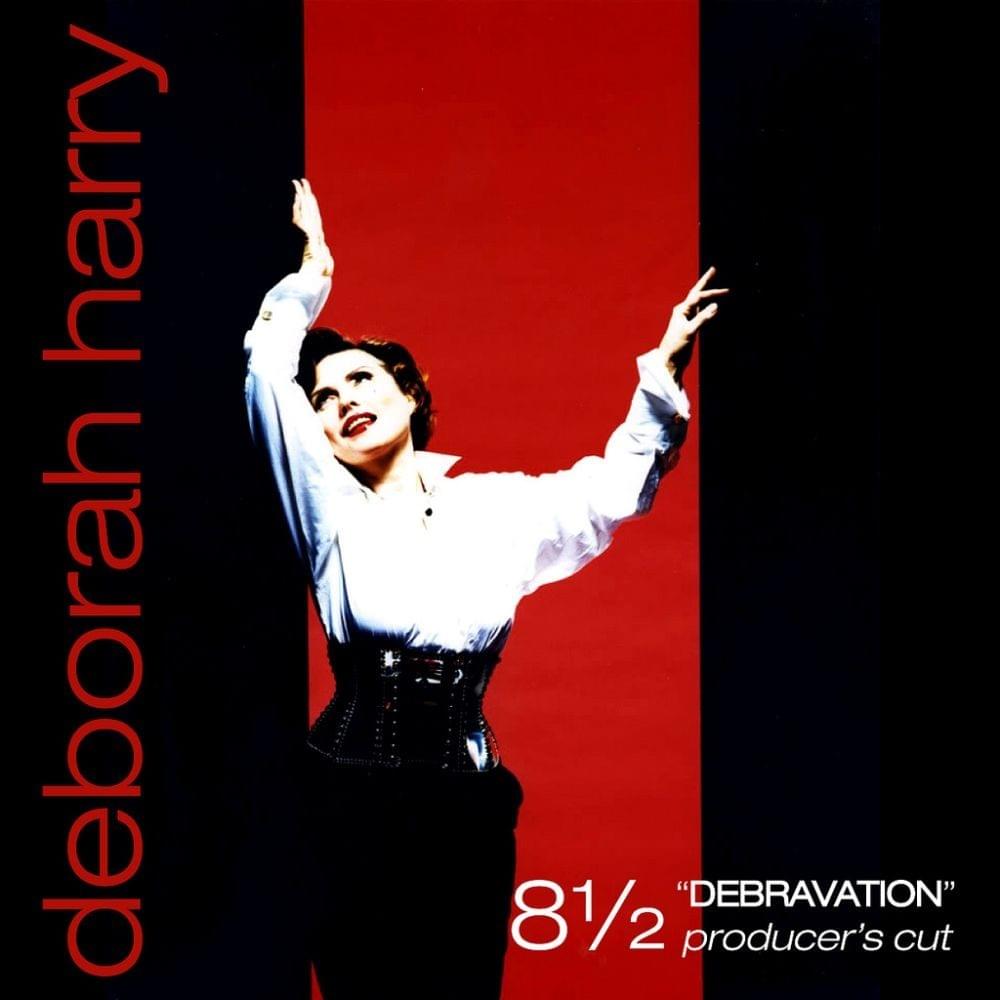
 View Artist