Song Meaning
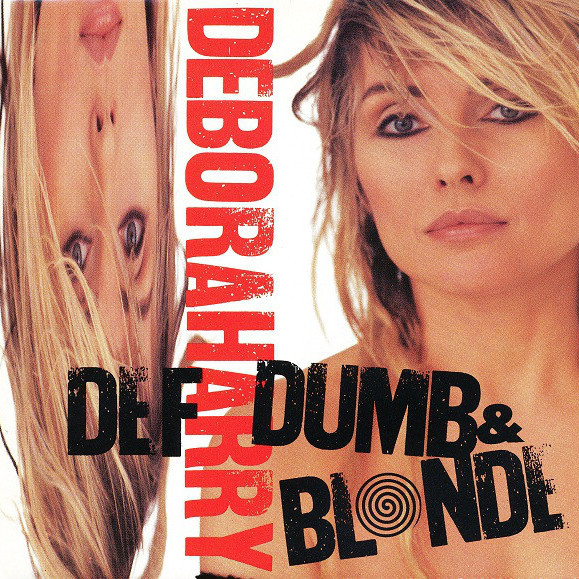
Debbie Harry's "Comic Books" isn't just a nostalgic trip down memory lane; it's a sly commentary on identity, aspiration, and the blurring lines between fantasy and reality. The lyrics paint a picture of a young Harry, finding solace and inspiration in the brightly colored pages of Archie comics and superhero adventures. These weren't just stories; they were blueprints for a future self, a world where good triumphed and the ordinary transformed into the extraordinary. The "stars on my wall" symbolize a personal universe of dreams, fueled by fictional narratives.
As the song progresses, adolescence hits, and with it, the inevitable collision of dreams and reality. The line "18 I was guaranteed I would lose my teenage dream" carries a weight of disillusionment. Yet, there's a twist. Instead of abandoning the dream, Harry embodies it: "But it's so funny how I got to look like all the people in my comic books." This isn't a literal transformation, but a metaphorical one. She has become the heroine of her own story, a pop icon whose image, like those comic book characters, is larger than life and endlessly reproduced.
The repetition of "Comic books" at the end reinforces the cyclical nature of influence and imitation. Harry's journey, from wide-eyed reader to celebrated performer, suggests that the fantasies we consume as children can shape our adult identities in profound, even uncanny ways. The song hints at the constructed nature of celebrity, suggesting that even the most authentic-seeming personas are, in some sense, carefully crafted characters, not unlike the heroes and villains that once adorned her bedroom walls.
 View Artist