Song Meaning
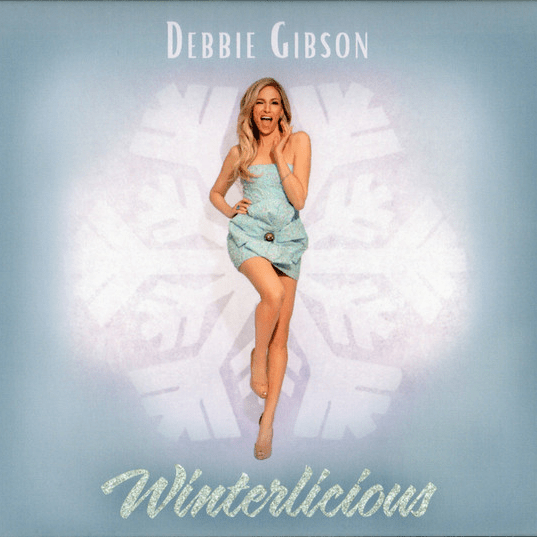
Debbie Gibson's rendition of "White Christmas," particularly this duet version with her father, Daddy Joe, transcends the simple yearning for a snowy holiday. It's a poignant exploration of nostalgia, familial love, and the idealized past. The lyrics, familiar to generations, paint a picture of a perfect Christmas scene: glistening treetops, children listening for sleigh bells, and a pervasive sense of merriment. But the repetition of "I'm dreaming of a white Christmas" hints at something deeper than just a weather forecast. It suggests a longing for a simpler time, a return to the innocence and joy associated with childhood Christmases. The "white" Christmas becomes a metaphor for purity, peace, and perhaps an unattainable ideal. The act of writing Christmas cards further underscores this desire to spread cheer and goodwill, even as the sender seems to be searching for it themselves.
The addition of Daddy Joe infuses the song with an intensely personal dimension. The collaboration transforms "White Christmas" from a general expression of holiday sentiment into a specific, heartfelt exchange between a daughter and her father. The simple, almost childlike, vocalizations in Verse 3 ("Ba-ba-ba-ba-ba-ba-ba-ba") create a playful, intimate atmosphere, contrasting with the formality of the traditional lyrics. This juxtaposition highlights the genuine connection between Debbie and her father, revealing a shared history and a bond strengthened by music. It acknowledges that the 'perfect' Christmas isn't just about snow or presents, but about the people you share it with.
The song’s outro, a brief but powerful exchange of affection ("Deb, you're the best / I love you, dad"), seals the song's true meaning. It’s no longer just about the collective dream of a 'White Christmas,' but a very personal moment of love and appreciation. The duet format itself implies shared memories and a desire to recreate the magic of past Christmases, solidifying "White Christmas" as a symbol of familial love and the enduring power of tradition, even in the face of time's passage and inevitable change. It hints that the best 'White Christmases' are those spent with loved ones, cherishing the bonds that truly matter.
 View Artist