Song Meaning
The lyrics paint a stark, almost clinical picture of internal struggle and impending doom. The opening lines, with their ticking clock and the mention of "Lithium," immediately establish a sense of anxiety and perhaps medication-induced numbness. The imagery of a "flooded" space suggests an overwhelming emotional state, a feeling of being submerged and trapped. This sets a tone of inescapable dread, where time is running out and the environment itself feels suffocating.
The central tension seems to revolve around a profound, unyielding sense of unforgiveness and a confrontation with mortality. The stark countdown from three to zero, punctuated by "I will never forgive," underscores a deep-seated resentment or trauma. The introduction of the "prostitute too aged" and "starlet yearns for death" figures, explicitly stated as "one of us," suggests a shared human condition of decay, desperation, and flawed desires, blurring the lines between victim and perpetrator, or perhaps highlighting a collective societal rot.
The recurring "Arclight" functions as a powerful, almost apocalyptic focal point. It's presented as a force that reveals "how their death will be," implying a harsh, unflinching illumination of finality and consequence. The "burnt life behind your own back" and the idea that this past "will never let you go" suggest a past that is not just remembered but actively consuming. The lyrics describe being "stuck with your neck in it's fangs," a visceral image of being ensnared by something predatory and inescapable, something that is "one with us."
Ultimately, the effectiveness of these lyrics lies in their unflinching portrayal of despair and the unsettling connection between personal torment and a larger, perhaps cosmic, decay. The final plea to "Dig down your heart in this soil" and "Feed the flames so the serpents uncoil / And let the arclight free!" suggests a desperate, almost ritualistic embrace of this destructive force, a willingness to confront the darkness head-on, even if it means unleashing something terrible. It’s a raw, unvarnished look at the end of things, both personal and existential.
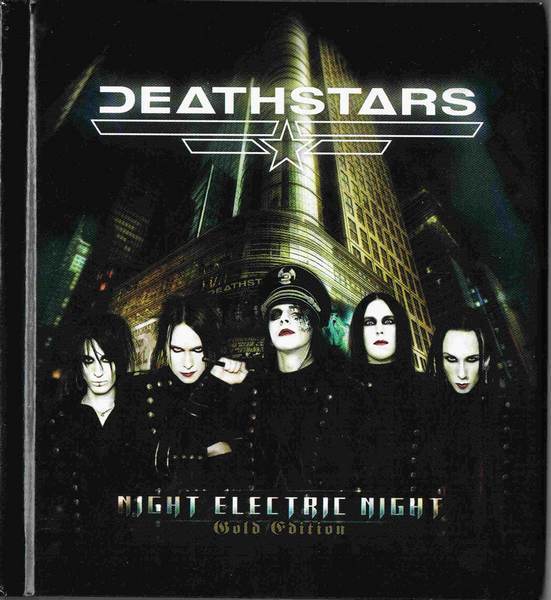
 View Artist