Song Meaning
The lyrics paint a vivid, almost surreal picture of encountering a past self within a dreamscape. There's an immediate sense of disorientation, as the narrator grapples with the uncanny familiarity of this younger apparition. The dream setting itself becomes a canvas for introspection, blurring the lines between memory and present reality. The dominant emotional tone is one of quiet bewilderment, tinged with a subtle melancholy.
This dream encounter seems to trigger a profound internal dialogue about personal growth and the passage of time. The younger version of the narrator likely represents a period of innocence or perhaps a set of unresolved aspirations. The contrast between the dreamer's current consciousness and the dream-self's perceived state highlights a tension between who they were and who they have become. It's a moment of confronting one's own evolution, or lack thereof.
The most striking aspect of the writing is its evocative, almost photographic imagery, even without explicit narrative detail. The concept of appearing "in a dream as a younger version of yourself" is inherently powerful, suggesting a subconscious processing of identity. The lyrics, though sparse, create a potent atmosphere of self-reflection. The absence of dialogue or specific actions within the dream amplifies the internal, psychological nature of the experience.
Ultimately, the effectiveness of these lyrics lies in their ability to tap into a universal human experience: the contemplation of one's past self. The dream serves as a potent metaphor for this internal reckoning. The writing invites listeners to consider their own spectral younger selves, prompting a quiet, personal examination of life's trajectory and the enduring echoes of who we once were.
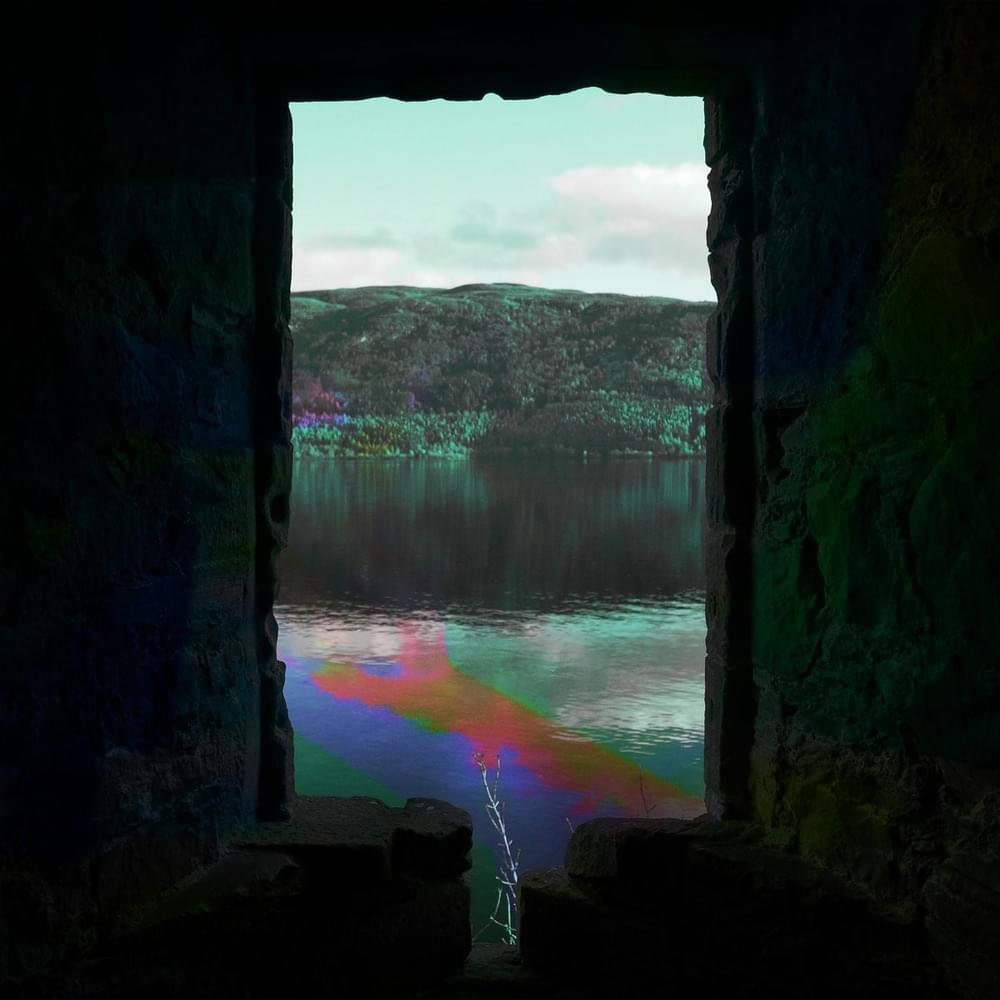
 View Artist