Song Meaning
The lyrics of "Young and Foolish" open with a direct, almost defiant question, asking "Why is it wrong to be / Young and foolish?" This immediately sets a wistful, reflective tone, acknowledging that this carefree state is fleeting. The narrator understands that "the carefree days / The sunlit days go by" too quickly, a universal truth about youth.
The central emotional tension emerges from this awareness of time's passage. While the first verse defends youthful abandon, the second shifts to a retrospective view. The narrator recalls a specific past where "We were foolish / One day we fell in love," suggesting a past action now viewed with a touch of bewilderment. The present question, "Now we wonder / What were we dreamin' of," hints at a current regret or confusion about those past choices, even as they yearn for them.
Craft-wise, the song masterfully uses a perspective shift. It moves from a general, present-tense philosophical query about youth to a specific, past-tense memory of love, culminating in a present-tense longing. The imagery of "Smiling in the sunlight / Laughin' in the rain" powerfully captures the essence of that past foolishness—an unburdened joy that could thrive regardless of external circumstances. The metaphor of "the bluebird has to fly" succinctly conveys the inevitable departure of innocence or freedom.
Ultimately, the lyrics are effective because they tap into a bittersweet human experience: the simultaneous fondness and questioning of youthful decisions. The repeated wish, "I wish that we were young and foolish again," isn't just a desire for the past, but a poignant acknowledgment that while that time might have been "foolish," it was also profoundly joyful and unburdened, a state the narrator now deeply misses despite any perceived consequences.
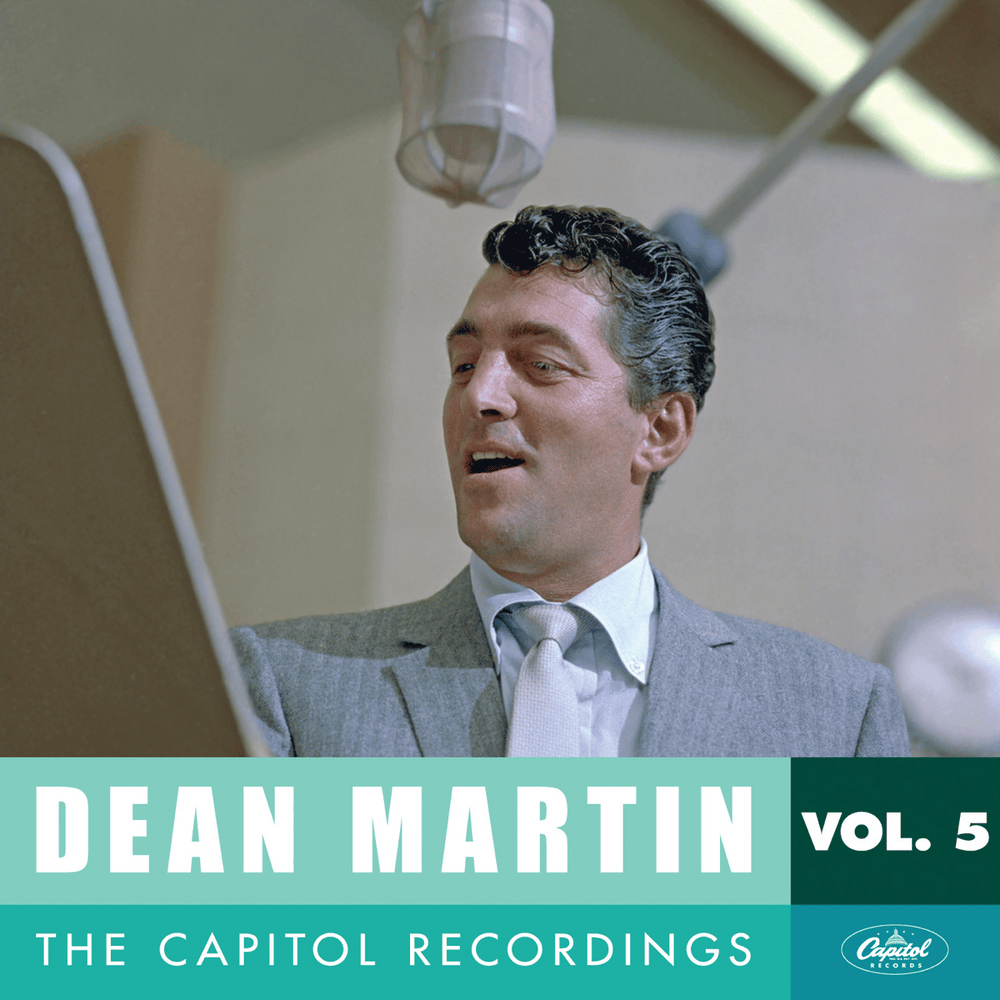
 View Artist