Song Meaning
The narrator paints a stark picture of isolation, using the natural world to mirror his profound sadness. A "lonesome whippoorwill" sounds "too blue to fly," immediately establishing a mood where even wildlife is overcome by melancholy. The "midnight train" "winding low" adds to this sense of a vast, empty landscape, emphasizing the narrator's solitary state. This opening sets a tone of deep, pervasive loneliness that feels almost elemental.
The core tension arises from the overwhelming passage of time and the absence of a specific person. The narrator experiences a night that feels "never seen" so long, with time "crawling by," highlighting the agonizing slowness of his solitude. The moon, a celestial body often associated with companionship or reflection, "went behind the cloud / To hide his face and cry," suggesting that even the heavens are weeping, amplifying the narrator's despair and his wondering "where you are."
The lyrics masterfully employ personification and natural imagery to convey emotional depth. The whippoorwill's blues, the train's low winding, and the moon's hidden tears all serve as extensions of the narrator's internal state. The "silence of a falling star" is a particularly striking image; it's a moment of cosmic drama that "lights up a purple sky" but is ultimately silent, much like the narrator's own unspoken grief, before he reiterates his overwhelming feeling: "I'm so lonesome I could cry."
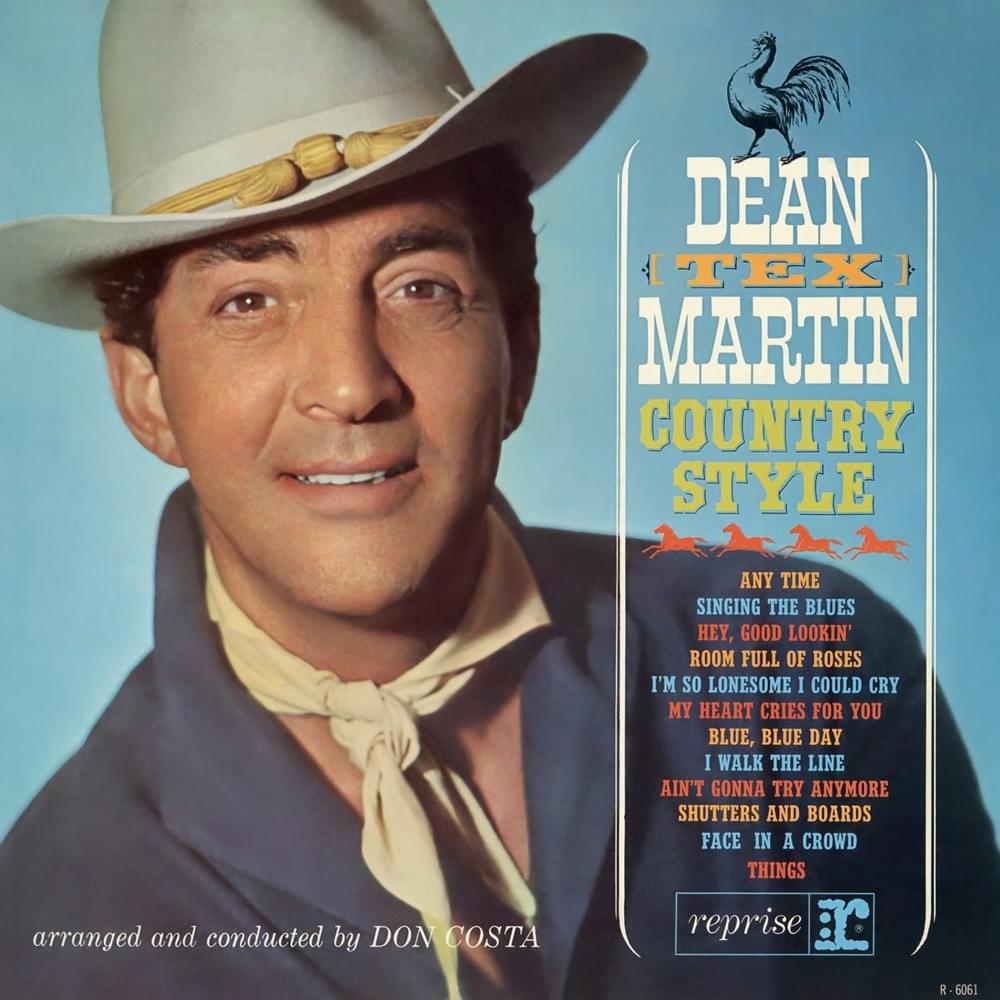
 View Artist