Song Meaning
The lyrics paint a picture of profound isolation, where the narrator feels unseen and unheard, existing only in the digital ether or the imagination of others. The opening lines immediately establish a sense of displacement: "*Мне больше нет места здесь*" (I have no more room here), followed by a startling connection, "*Ты такой же как и я?*" (Are you just like me?). This shared loneliness, attributed to invisible "*рогов*" (horns), suggests a shared burden or perceived flaw that isolates them both. The narrator's existence is framed by digital ephemera and unfulfilled desires, like a "*Грустный вокалоид*" (sad vocaloid) on an old laptop or an anime list never watched, hinting at a life lived more in potential than in reality.
This sense of unreality is central to the narrator's plea and their very being. They offer themselves as a construct, a "*тульпа*" (tulpa), to be conjured into existence through the listener's will. The lyrics propose a conditional presence: "*Я появлюсь в твоем любимом тайтле*" (I will appear in your favorite title), "*Спою заглавную песню в сериале*" (I will sing the theme song in the series), and crucially, "*Если захочешь, то буду рядом / Если не хочешь, то я исчезаю*" (If you want, I'll be near / If you don't want, I disappear). This highlights a desperate need for validation and existence, but one that is entirely dependent on external desire, making their presence inherently fragile and ultimately, absent.
The most striking aspect is the explicit instruction to create the narrator as a "*тульпа*," a being manifested by thought. The repeated command, "*Выдумай меня как свою тульпу*" (Imagine me as your tulpa), coupled with specific actions like drawing on a "*дакимакуре*" (body pillow) and posting on Tumblr, underscores the narrator's desire to be real through digital and artistic representation. Yet, this creation is paradoxically defined by absence: "*Но рядом с тобой меня не будет*" (But I won't be next to you). This creates a poignant tension between the desire for connection and the acknowledgment of fundamental separation, a ghost in the machine that can be willed into being but never truly touch.
The lyrics resonate because they tap into a modern form of existential angst, where identity and presence are increasingly mediated by technology and imagination. The question, "*Почему я не настоящий?*" (Why am I not real?), followed by the futility of searching online – "*сделай запрос в Google и меня там тоже не будет*" (make a Google search and I won't be there either) – captures the fear of digital oblivion. The narrator's existence is a paradox: they can be imagined into being through fan culture and online expression, but this imagined self remains eternally separate, a phantom conjured by desire but never truly present, leaving the listener with a lingering sense of unfulfilled connection and the loneliness of the digital age.
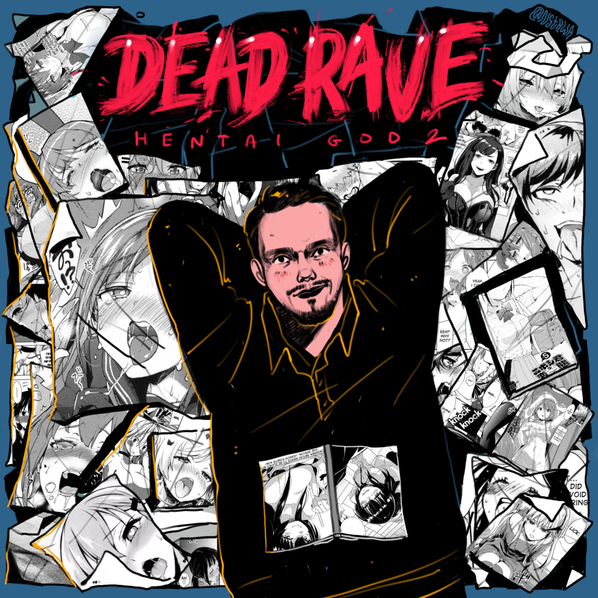
 View Artist