Song Meaning
These lyrics immediately plunge into a scene of urgent concern, with the speaker's mind consumed by someone else's troubles. "Your situation's on the top of my head," they confess, signaling a constant, pressing worry. Despite acknowledging the potential pain, the speaker feels an undeniable need to deliver a difficult truth, culminating in the blunt, repeated warning: "Oh, you can't do that."
The central tension here lies in the speaker's observation of a troubling shift in the other person. While they once had a knack for "keeping things in," the speaker now admits, "I don't know where you've been." This transition from internal struggle to unknown external actions fuels a palpable fear. The speaker is genuinely "afraid you'll go to far," suggesting a boundary about to be crossed or a point of no return that the repeated admonition attempts to prevent.
What truly elevates these lyrics is the blend of direct warning with a deep personal lament. The speaker yearns for a lost past, admitting, "I miss the way we were before we got lost." This reveals a shared history and a profound sense of decline. The striking image of "trying to get the wires uncrossed" acts as a desperate, almost mechanical metaphor for untangling complex problems or misunderstandings, a last-ditch effort to restore order.
Ultimately, these lyrics are effective because they capture the raw, difficult experience of witnessing someone you care about heading down a dangerous path. The escalating urgency, from initial worry to a fear of things "go[ing] too far" and ultimately "before it all ends," creates a compelling emotional arc. The speaker's vulnerability, coupled with their firm stance, makes this intervention feel both necessary and deeply personal.
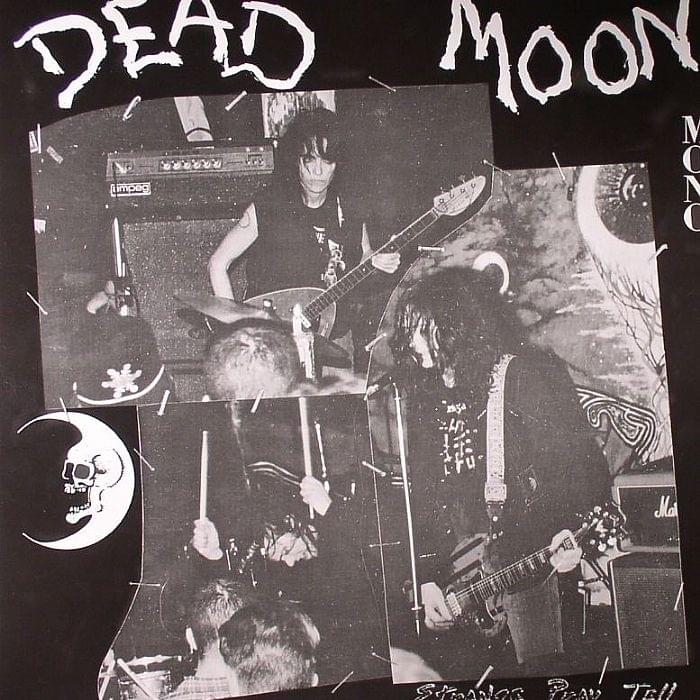
 View Artist