Song Meaning
“Voyager To Voyager” plunges listeners into the vast, cold expanse beyond our solar system. It's a profound farewell, not just to a physical location, but to the very concept of home and influence. The lyrics paint a picture of an intrepid, solitary journey into the unknown. There's a palpable sense of both awe and liberation.
The core tension here lies in the departure from “Old Father Sun,” a paternalistic symbol of warmth and protection. The speaker ventures into a “dark so deep” where “the outer ones howl,” hinting at unseen dangers or forces. This physical departure is mirrored by a deeper, existential question: “If you can turn round, can you really claim you've left?” It challenges the very definition of commitment and true change, suggesting that real freedom requires an irreversible step.
The lyric's power comes from its evocative imagery, blending the cosmic with the oceanic. Space becomes a “shifting sea” and a “star-littered sea,” making the infinite feel both fluid and tangible. This vastness, initially daunting, transforms into a canvas for profound freedom. The repeated phrase “we're free to get lost” isn't a lament, but an embrace of anonymity and self-discovery, culminating in the “pleasure of no company.”
These lyrics resonate because they tap into a universal human desire for exploration and self-definition, even at the cost of familiar comforts. The journey “Beyond every single thing known” becomes a metaphor for shedding expectations and embracing ambiguity. The final lines, “To be right, to be wrong / To be right between,” perfectly capture this liberated state, where judgment dissolves, and existence itself becomes the ultimate freedom.
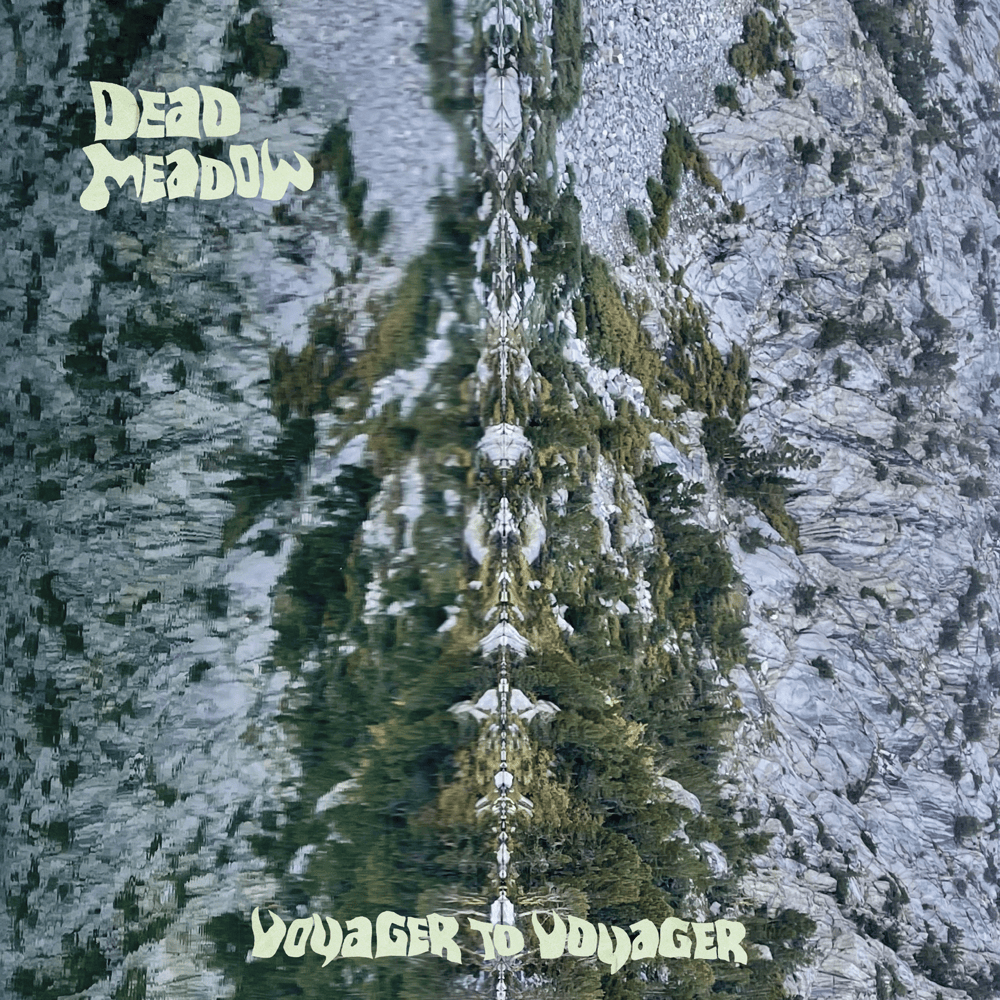
 View Artist