Song Meaning
The lyrics open with a stark, unsettling scene: a speaker preparing their home even as a demonic presence approaches. An "old black dog" scratches at the door, a persistent, unwelcome presence. This isn't a hopeful renovation; it's a grim preparation for an inescapable encounter. The mood is one of heavy, resigned dread.
The central tension lies in this futility: why fix a house destined for ruin? The "old black dog" and the Devil represent a recurring, persistent force, as the speaker notes "he's been before." This isn't a new threat but a familiar, cyclical one. The speaker seems to have accepted this fate, but then introduces a "girl," shifting the focus from personal struggle to a shared, perhaps desperate, proposition.
The lyrics masterfully use stark contrasts. The domestic act of preparing a home is immediately undercut by the chilling inevitability of the Devil's arrival. This creates a sense of grim irony. Later, the blunt statement "This house ain't our home" strips away any illusion of stability, suggesting a deeper, existential homelessness. The imagery of the scratching dog further emphasizes this relentless, encroaching doom.
What makes these lyrics so effective is their raw, direct confrontation with an inescapable darkness. The speaker doesn't fight the inevitable; instead, they acknowledge it, even inviting another to join them in this grim reality. The final lines, "all you need is to believe / What you already know," offer a profound, almost unsettling comfort. It suggests that true understanding comes from accepting an internal truth, even if that truth is a shared journey into the unknown with the Devil at your heels.
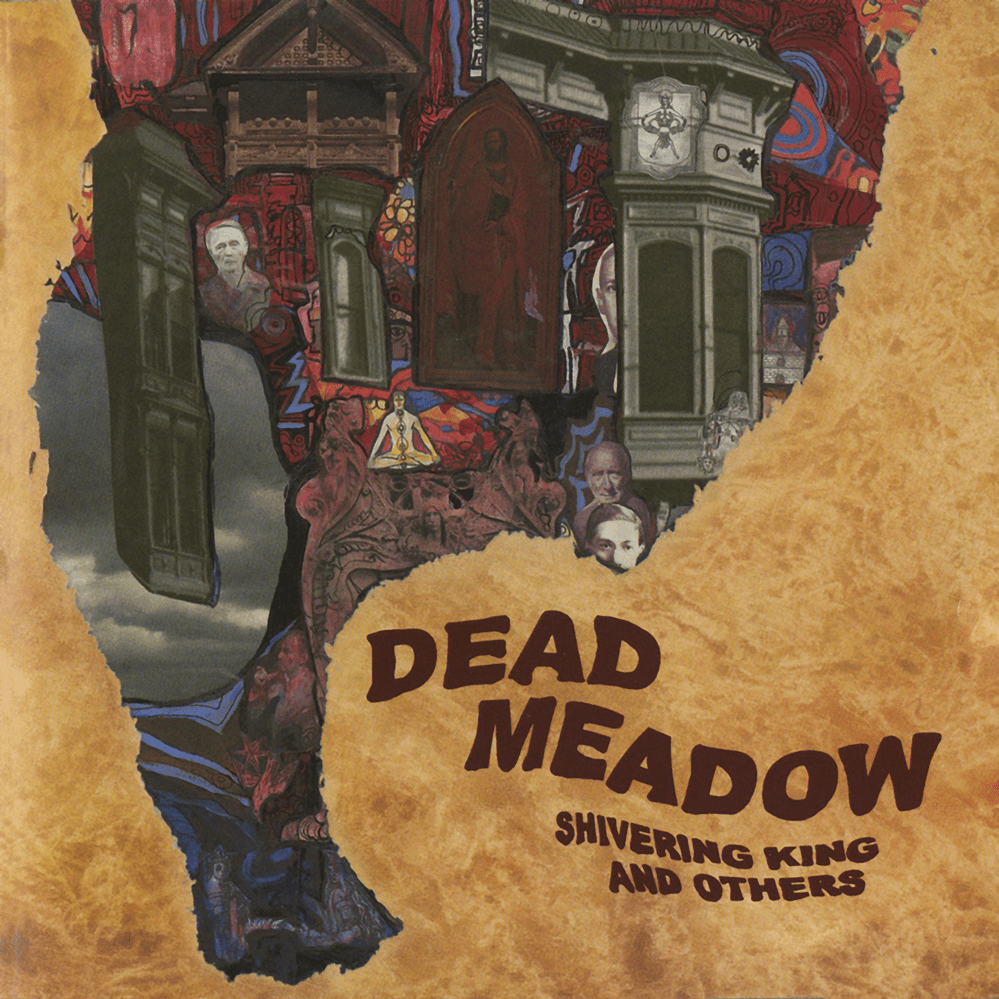
 View Artist