Song Meaning
The lyrics paint a stark picture of stagnation, contrasting the natural impulse toward change and departure with a deep-seated human resistance. Birds, symbols of freedom and migration, call out, yet the narrator and their companions are "endowed with the fear of flight." This immediate image sets up a central tension: the awareness of movement and transformation happening all around, coupled with an inability or unwillingness to participate.
The dominant emotional tone is one of melancholic inertia. The "winds of change" are not gentle breezes but forces that "consume the land," suggesting a powerful, perhaps destructive, external pressure. Yet, the response is to "remain in the shadow of summers now past," clinging to a bygone warmth and security. This creates a palpable sense of being left behind, trapped by a fear of the unknown that paralyzes action even as the world shifts.
The lyrics pose a direct, unsettling question about this inertia: "When all the leaves have fallen and turned to dust / Will we remain entrenched within our ways?" This imagery of decay and finality underscores the potential consequences of inaction. The mention of "Indifference, the plague" further solidifies the idea that this resistance to change is not just a personal failing but a widespread, almost epidemic, condition that prevents growth and adaptation.
The repeated phrase "Tomorrow's child is the only child" acts as a haunting refrain, suggesting that only the future, embodied by a new generation, can truly break free from this cycle of fear and stagnation. It implies that the present generation is too deeply rooted in its past to embrace what's next, leaving the hope for progress to those yet to come. This cyclical, almost fatalistic, outlook is what makes the lyrics so potent, capturing a universal struggle against the comfort of the familiar.
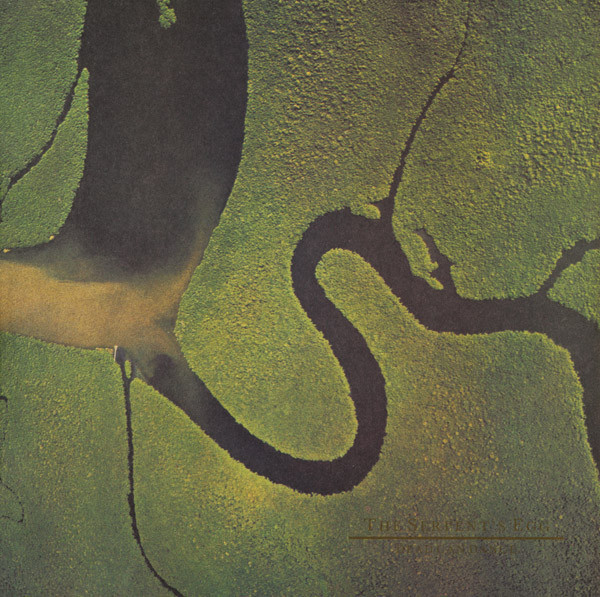
 View Artist