Song Meaning
The lyrics open with a striking image of "All your ships / Have left their moorings" only to be "Cast adrift / On the Sargasso Sea," a powerful metaphor for feeling stuck despite having started a journey. This immediate sense of stagnation and waiting for "the wind / To set your sails free" sets a tone of passive yearning. It immediately establishes a tension between movement and being held captive by circumstance.
This initial helplessness deepens as the narrative shifts to moments of struggle, describing someone "chasing shadows / And down on your luck," desperately needing to "Look for a sign." This repeated plea for guidance underscores a profound emotional tension: the human desire for immediate answers and clear direction when facing disappointment or failure. The imagery of a fruitless "rainbow" chase amplifies this sense of disillusionment.
However, a pivotal shift occurs with the introduction of a guiding "You" who "taught me patience / Was a virtue." This figure transforms the narrative from one of desperate searching to one of learned wisdom. The "sign" itself evolves; no longer something to be frantically sought in moments of despair, it becomes something "You showed me a sign" through reflection, particularly by urging to "Turn back your clocks / Open up your memories." This suggests true insight often comes from looking inward and backward, not just forward.
The lyrics' effectiveness lies in this gradual, almost meditative unfolding of understanding. The phrase "All in good time" isn't a simple platitude but a hard-won truth, earned through the speaker's journey from feeling adrift and seeking external signs to embracing patience and finding revelation in reflection. The contrast between the initial images of ships stuck and shadows chased, and the final quiet clarity, makes the central message resonate deeply, suggesting that wisdom often requires both waiting and looking within.
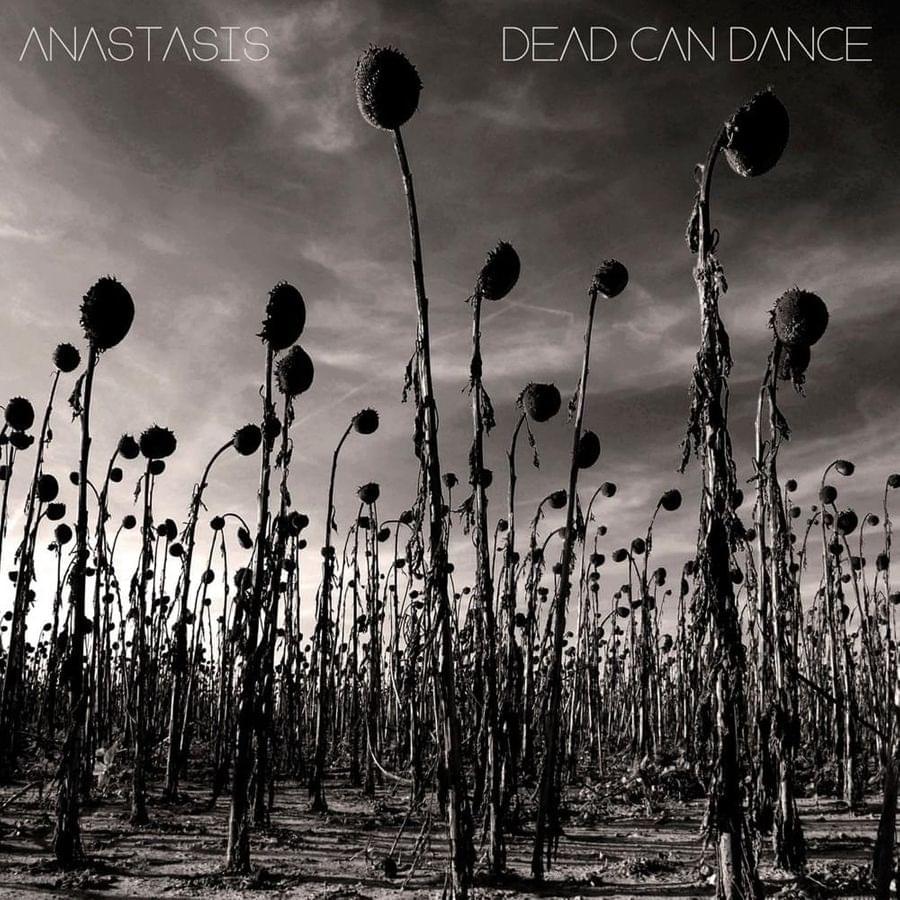
 View Artist