Song Meaning
The lyrics paint a stark picture of desperate survival, presenting two figures locked in a brutal struggle. The opening verses establish a relentless cycle: "You try / To survive." One figure, initially described with "clout" and "knives out," is juxtaposed with a "girl" employing a "long con" and wearing "blades donned," a "battered broken bride." This immediately suggests a conflict where both parties are armed and fighting for their lives, blurring the lines between aggressor and victim. The repeated phrase "You try to survive" underscores the sheer exhaustion and primal nature of their existence.
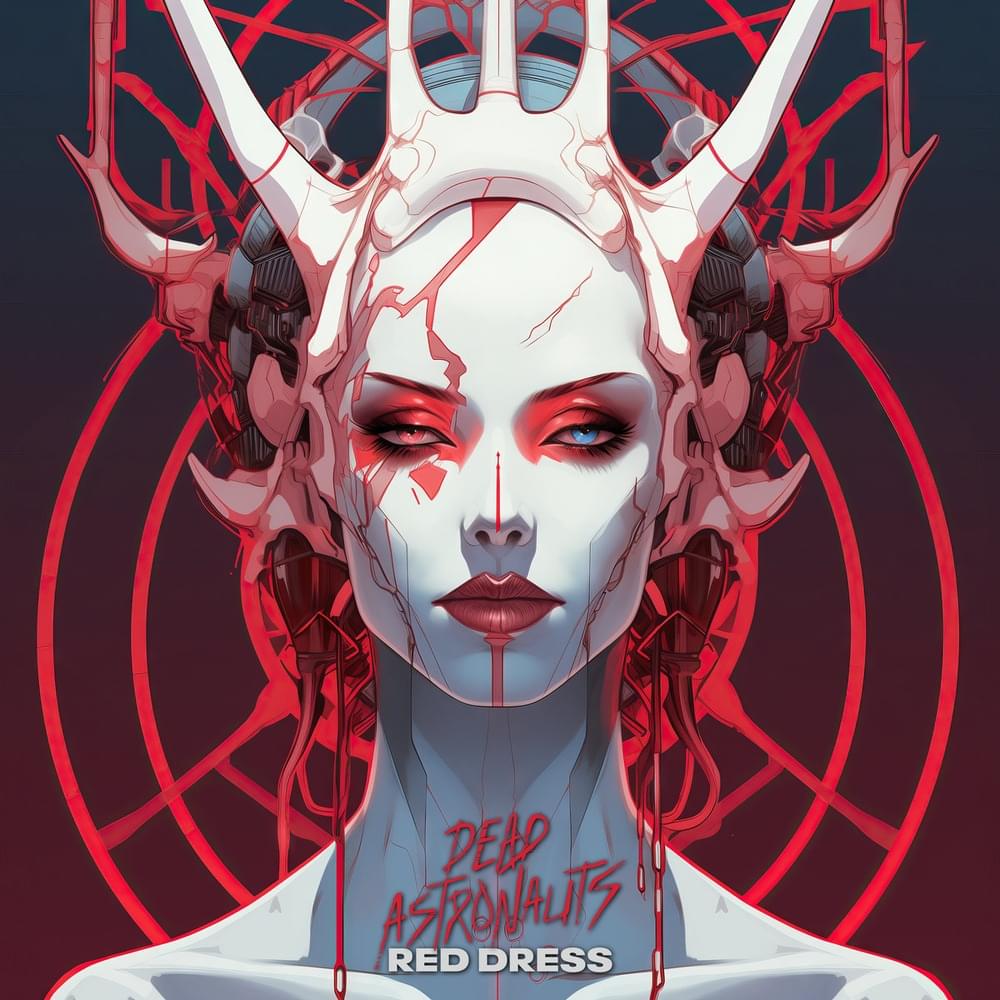
The central tension emerges in the chorus, directly confronting the listener with the image of a "girl in the red dress / Arms are bloody and hairs a mess." This vivid, almost violent imagery is immediately followed by a startling declaration of kinship: "You know you're just like me." This connection is mirrored in the description of a "boy all black and blue," prompting the question, "What sort of hell have you two been through?" The lyrics propose a shared experience of profound suffering, suggesting that despite outward appearances or roles, their internal realities are deeply aligned, leading to the bleak conclusion, "You know you'll never be free."
The most striking craft element is the symbolic use of color and the stark contrast it creates. The "red dress," typically associated with passion or danger, here signifies a state of extreme violence and disarray. This is powerfully contrasted with the "boy all black and blue," evoking a sense of physical trauma and defeat. The lyrics also employ a sense of fatalism, particularly with the phrase "swan song" and the finality of "everyone's long gone." This suggests a narrative nearing its end, a final, desperate act before oblivion, reinforcing the inescapable nature of their shared plight.
Ultimately, the effectiveness of these lyrics lies in their unflinching portrayal of shared trauma and the unsettling intimacy it breeds. The narrator doesn't just describe suffering; they identify with it, drawing a direct line between their own pain and the depicted violence. The stark imagery, coupled with the repeated assertion of sameness ("You're just like me"), forces a visceral connection, making the listener confront the brutal realities of survival and the shared human capacity for both inflicting and enduring pain.