Song Meaning
The narrator is consumed by a spectral presence, a 'girl' who occupies every thought. This haunting isn't just a passive memory; it's an active, almost physical intrusion. The lyrics paint a picture of someone desperately trying to connect, but the object of their obsession seems oblivious, looking 'right through' them as if they were already a ghost. This creates an immediate, unsettling tension between the narrator's intense internal focus and the perceived indifference of the other person.
This disconnect fuels the central conflict. The narrator offers unwavering support, promising to be 'everything' during moments of extreme distress, like when 'nightmares consume your dreams.' Yet, this devotion is met with a chilling lack of recognition. The 'girl' doesn't see the narrator, suggesting a profound emotional distance or perhaps a delusion on the narrator's part. The haunting is explicitly tied to the narrator's actions and feelings: 'You haunt me for the things I do' and 'for loving you,' indicating a deep-seated guilt or regret intertwined with this obsessive fixation.
The most striking aspect of the writing is the way it blurs the lines between internal experience and external reality. The narrator's mind is a constant battleground, unable to 'clear my mind' as 'voices echo' and 'never let go.' The phrase 'Time too clever' suggests a feeling of being outmaneuvered by circumstances or fate, with 'time not on my side.' This internal turmoil is projected onto the external world, where the 'girl' is 'floating by,' an ethereal figure who is both the source of torment and seemingly unreachable.
Ultimately, these lyrics resonate because they capture the disorienting experience of unrequited or unacknowledged obsession. The narrator is trapped in a loop of intense feeling and perceived rejection, haunted by their own desires and actions. The craft here lies in its raw, almost desperate directness, using simple, repetitive phrases to convey a profound sense of being stuck, unable to break free from a fixation that offers no reciprocation, leaving the narrator feeling like a ghost themselves.
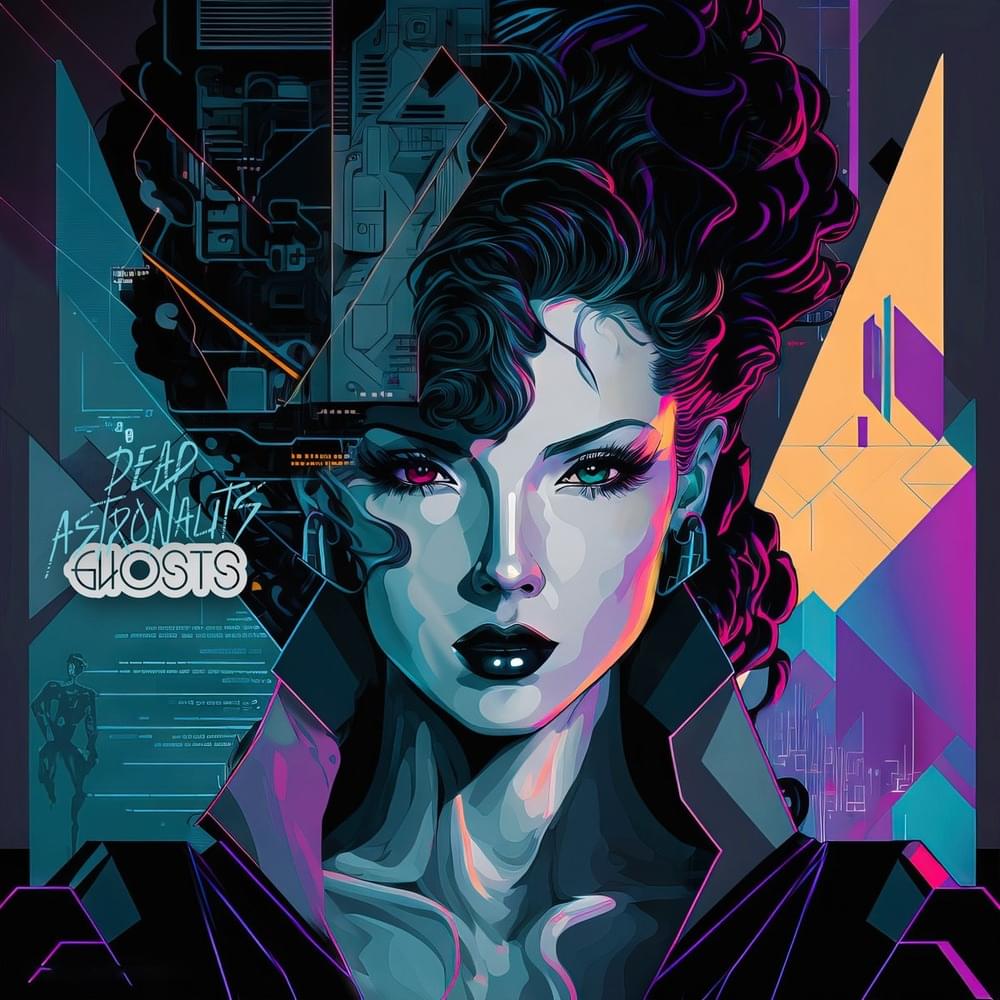
 View Artist