Song Meaning
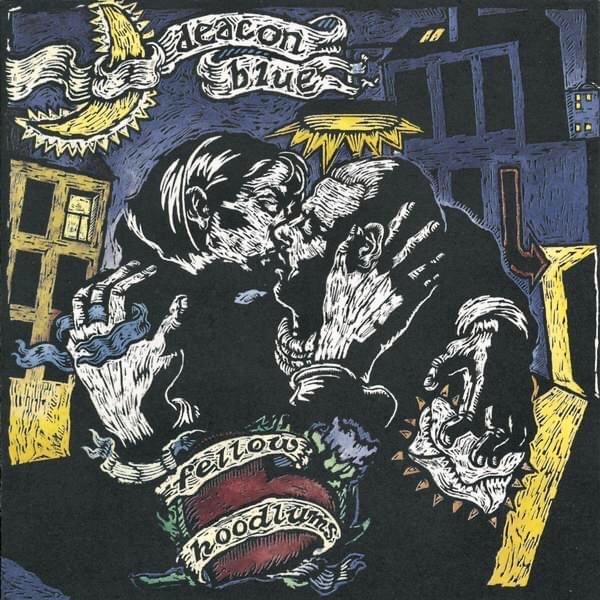
The lyrics to "Fellow Hoodlums" paint a vivid, gritty picture of Glasgow, blending personal memory with a sense of collective identity and historical weight. It opens with a chaotic, almost cinematic scene: the narrator falls, the Clyde is full of debris, and a sudden, intimate kiss occurs on the night of a significant death. This immediate juxtaposition of public event and private, visceral experience sets a raw, authentic tone.
The song quickly shifts to a defiant, communal spirit, uniting "Fellow hoodlums and Engineers" against a distant "Union." The image of heading up Buchanan Street with "fireworks and two bottles of Tizer" suggests a youthful, rebellious energy, perhaps a local celebration or act of solidarity in the face of larger political or social forces. There's a palpable sense of belonging and shared purpose among this specific group.
A particularly striking craft element emerges with the narrator's observation from the "last train from St. Enochs": a graveyard that "looked like our old street." This powerful image blurs the lines between life and death, suggesting that the community's past and present are deeply intertwined, even in its resting places. Juxtaposed against this somber reflection is the sound of cheering from Hampden, complete with "macaroons and scarves and rattles," creating a rich tapestry of celebration, memory, and the enduring spirit of the city.
The final stanza grounds these broader themes in the stark reality of a character named Billy, a butcher who "picks his teeth with old rusty meat hooks." This visceral detail, coupled with the precise mapping of his daily deliveries from "Partick to Cowcaddens," anchors the narrative in a specific, lived-in world. The lyrics effectively convey a sense of enduring character and the unchanging rhythms of working-class life, even as history unfolds around it, making the world of the song feel deeply authentic and resonant.
 View Artist