Song Meaning
The lyrics paint a picture of a solitary journey through darkness, both literal and emotional. The narrator is driving at night, leaving behind the city lights and the reflections in the mirror, a potent image of moving away from the present or a past self. The dominant tone is one of weary hope, a persistent belief in a brighter future despite current desolation. The repetition of "Moarn sil de sinne skine" (Tomorrow the sun will shine) acts as a mantra, a desperate plea for renewal.
The central tension lies in the contrast between the external journey and the internal state. While the narrator is physically moving forward, passing cities and traversing the polder, the heart remains dark and lost. The line "Myn ferlangst haw ik folge mar ik fûn net wat ik socht" (I followed my longing but didn't find what I sought) reveals a deep disappointment, a sense of searching for something essential and coming up empty. This internal void is exacerbated by the experience of being "In in stêd sûnder leafde wêr't de kjeld fielber wie" (In a city without love where the cold was palpable), amplifying the feeling of isolation.
The most striking craft element is the persistent imagery of light and dark, day and night. The fading city lights and the moon shining over the water are juxtaposed with the narrator's dark heart and the deep night. The repeated phrase "begjin ik opnij" (I start again) is crucial, not just signifying a new beginning but a desperate need to escape the persistent pain, "Ferdwynt de pine yn my" (The pain disappears in me). This cyclical structure, ending with a double "opnij opnij," underscores the intensity of this desire for a definitive break from suffering.
These lyrics resonate because they capture the universal human experience of feeling lost and seeking solace, even when the path forward is unclear. The raw honesty of admitting to following a longing only to find emptiness, coupled with the unwavering, almost defiant, hope for a new day, creates a powerful emotional arc. The simple, direct language, especially the repeated promise of the sun, makes the narrator's yearning for relief palpable and deeply affecting.
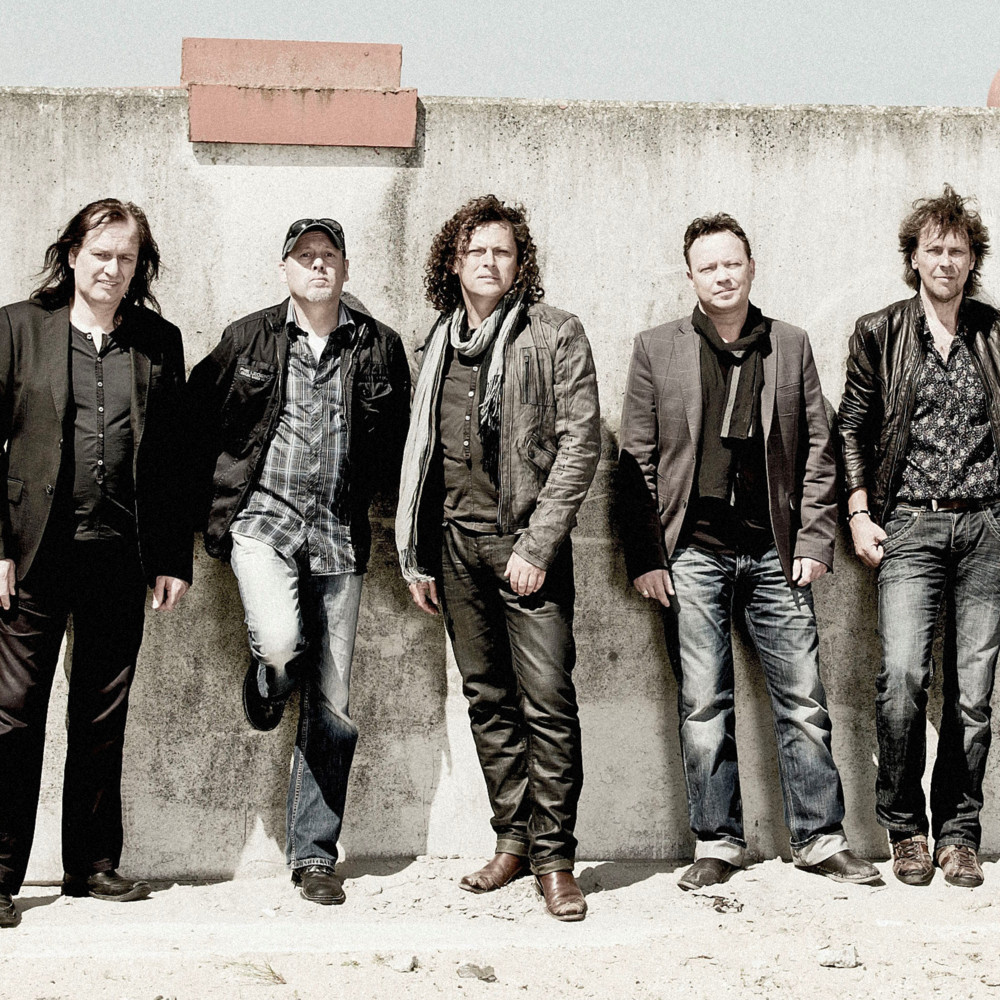
 View Artist