Song Meaning
The narrator is caught in a loop of memory, replaying a singular, luminous encounter. The scene is starkly defined: a doorstep, a blinding light, and the sudden, overwhelming appearance of a loved one. This initial vision is so potent it immediately captures the narrator, specifically the contradictory nature of the smile that accompanies it. It’s a moment frozen in time, a perfect, almost divine revelation that dictates the narrator's present state.
The core tension lies between the ecstatic memory and the bleak reality. A year has passed, leaving the narrator feeling 'uitgeblust' (burned out) and numbed by alcohol, a stark contrast to the vibrant light of the past. The loved one's parting words, 'What is most beautiful passes the fastest,' now echo with a profound, almost prophetic sadness, highlighting the ephemeral nature of the joy they experienced. This juxtaposition underscores a deep sense of loss and the lingering impact of a brief, intense connection.
The repeated emphasis on the 'lach' (laugh) is the song's central craft element. It's described as 'mooie' (beautiful), 'droeve' (sad), and 'lieve' (sweet), culminating in 'engelenlach' (angel's laugh). This layering of adjectives reveals the complex emotional weight the narrator attaches to the memory. The laugh isn't just a sign of happiness; it’s imbued with a profound melancholy, a bittersweet recognition of beauty's fleeting nature, and an almost celestial quality that elevates the encounter beyond the ordinary.
This lyrical construction makes the song resonate because it captures the universal experience of cherishing a memory that is both a source of immense comfort and profound pain. The narrator’s gratitude, even in their current state of desolation, for having witnessed such beauty—even briefly—is what gives the lyrics their enduring power. It’s a testament to how a single, perfect moment, defined by a complex, unforgettable smile, can shape a person's entire emotional landscape long after the person is gone.
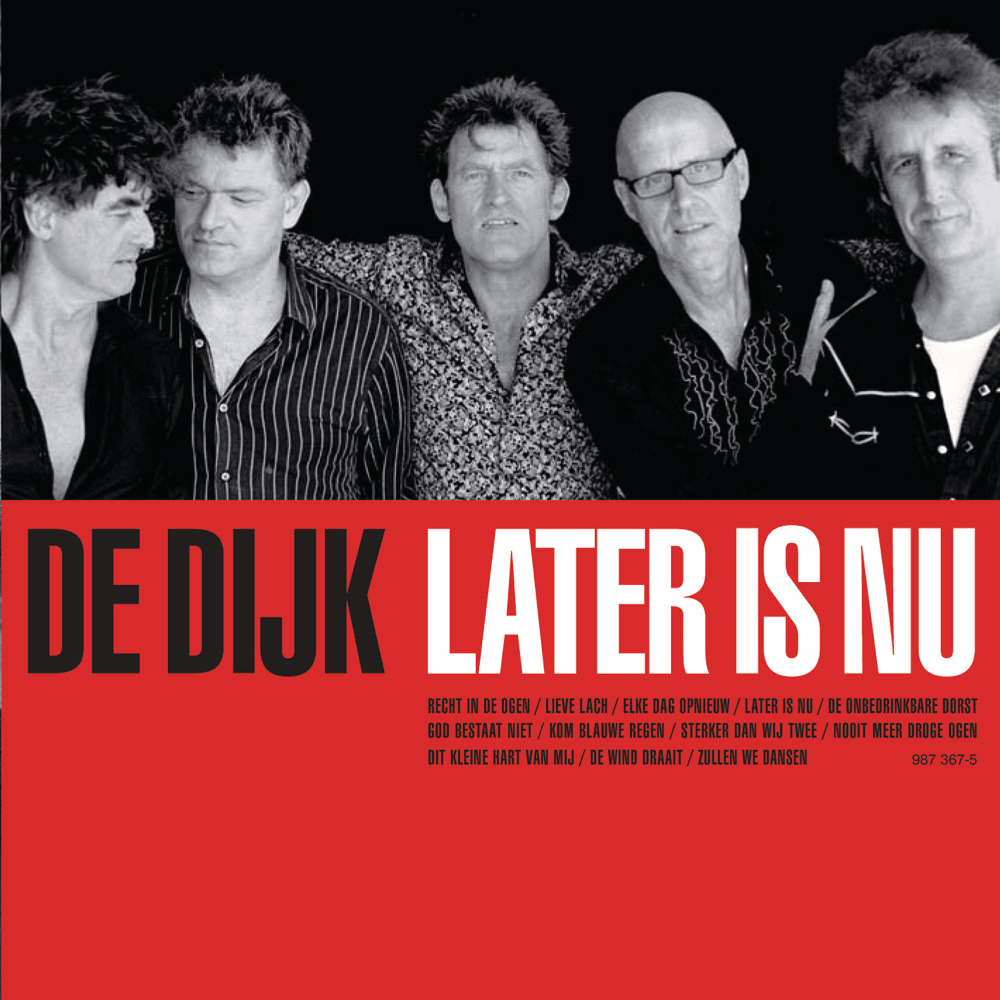
 View Artist