Song Meaning
The lyrics paint a vivid picture of surrender, using the recurring plea, "Kom dan blauwe regen" (Come then blue rain). This isn't a plea for gentle precipitation, but a powerful invitation for a cleansing deluge, a force capable of washing the speaker away. The repetition of this phrase establishes a tone of desperate longing for dissolution, a desire to be swept up and carried off by an overwhelming natural power.
The central tension arises from the contrast between the speaker's static position and the dynamic, unstoppable flow of water. While the snow melts and forms streams that "krioelt" (meander) and "kringelend zijn weg zoekt" (seek their way windingly), eventually becoming a powerful river, the speaker remains "aan de kade" (at the quay). This immobility amplifies the yearning to be part of that relentless movement, to be "spoel me met je mee" (wash me with you) and ultimately "stroom me in de zee" (flow me into the sea).
The intricate description of the water's journey from mountain snow to a mighty river, even one "temmen" (tamed) by dams and locks, highlights the inevitable power of nature. The river carries "geschiedenissen mee" (histories with it), suggesting a collective weight or narrative that the speaker wishes to merge with. The "stemmen" (voices) heard at the horizon, dissolving into the sea, further emphasize this desire for absorption into something vast and eternal, a final release from individual consciousness.
This lyrical construction is effective because it grounds an abstract desire for oblivion in concrete, natural imagery. The relentless cycle of melting snow, flowing streams, and powerful rivers mirrors the speaker's wish for a complete dissolution. The act of calling for the "blauwe regen" becomes an active embrace of being overwhelmed, a profound expression of wanting to lose oneself in the grand, indifferent flow of existence.
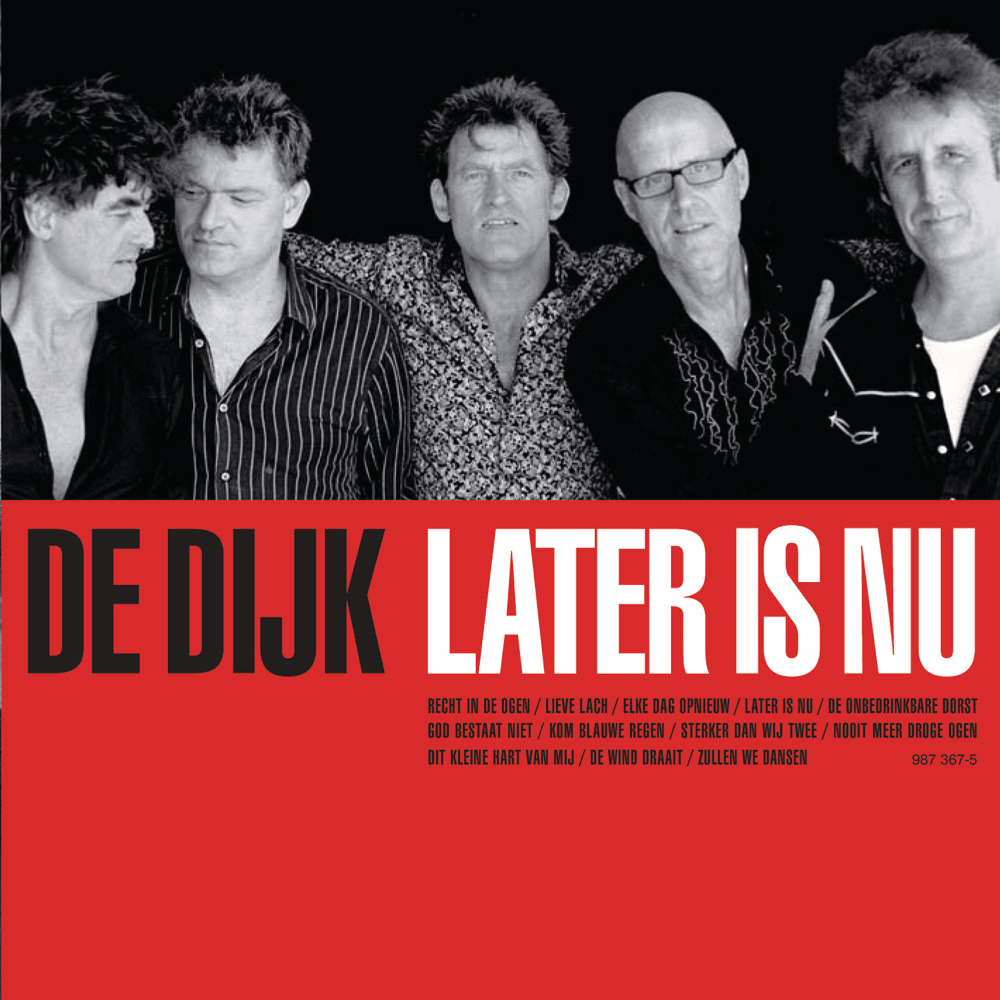
 View Artist