Song Meaning
The lyrics paint a stark picture of a relationship's quiet dissolution, beginning with a familiar, almost automatic intimacy. The narrator observes a partner entering the room, met with a laugh they know well, followed by a kiss. Yet, this physical closeness is undermined by an internal disconnect, a palpable sense of unease where the narrator doesn't know where to place their arms, signaling a loss of comfort and connection.
This unease crystallizes into the central, repeated refrain: "Het gevoel is weg" (The feeling is gone). The narrator emphasizes that this isn't a blame game, stating, "It's not your fault and just as little mine." Instead, the fading of intense emotion is presented as an inevitable consequence of time and the natural progression of things, a passive process that has altered the dynamic between two people. The past intensity is acknowledged as having been "good," but now something is undeniably missing.
The most striking aspect of the writing is how it grounds the abstract loss of feeling in concrete, mundane details. The once-shared "room where we lived for years" reverts to its basic components: "the sofa is a sofa again," and "the bed is just a few planks with a mattress." This demystification of shared space mirrors the emotional shift, stripping away the romanticized overlay to reveal the functional, uncharged reality. The repetition of "Het gevoel is weg" over these stark images hammers home the finality and the quiet tragedy of this emotional vanishing.
What makes these lyrics resonate is their unflinching honesty about the slow erosion of passion, devoid of dramatic conflict or external catalysts. The narrator's gentle, almost resigned delivery of the painful truth – "I'm not bringing you news / When I say / The feeling is gone" – highlights the quiet heartbreak of realizing that love, or at least its intense form, has simply evaporated. It captures that specific, hollow ache when the familiar gestures no longer carry the same weight, and the shared world feels suddenly unfamiliar.
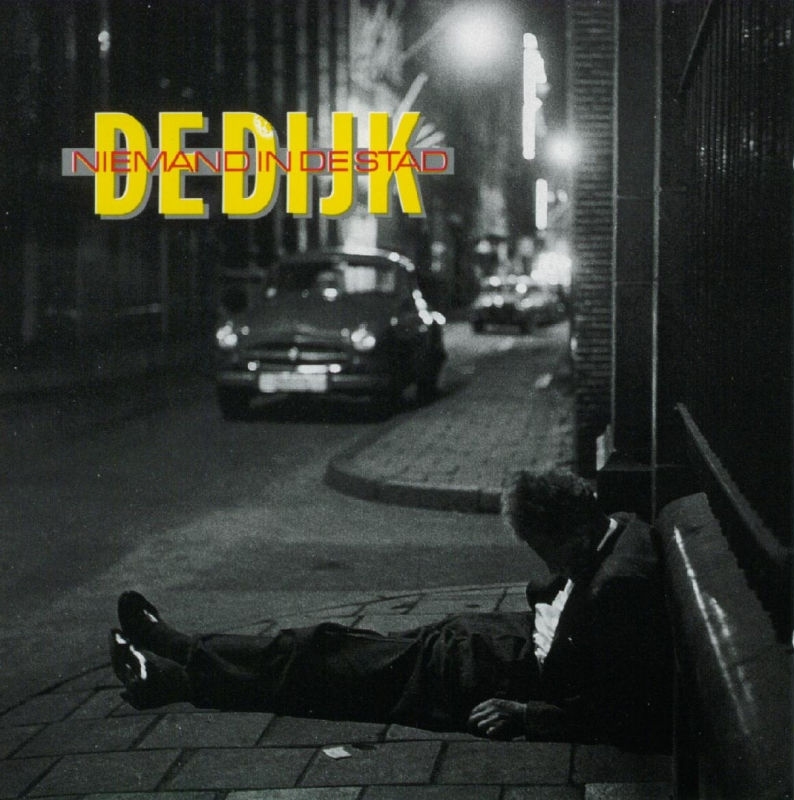
 View Artist