Song Meaning
This track immediately throws you into a provocative, almost instructional space, challenging conventional notions of identity and physicality. The opening lines, "Não tenha o pau, sejas o pau" and "Não tenha o corpo, sejas o corpo," aren't about possession but about embodying essence, suggesting a fluid relationship with one's own form and identity. It’s a call to transcend mere ownership of physical attributes and instead become them, a radical idea that sets a disorienting yet intriguing tone.
The lyrics then pivot to a more direct, almost playful exploration of sensuality and the body, introducing a "menina" into the mix. The juxtaposition of innocence and explicit physicality is stark, particularly with phrases like "Menina, menino nu, bunda difere de cu." This isn't just about biological difference; it seems to be a deliberate, almost pedagogical statement about the varied ways the body can be perceived and experienced, moving from the general to the specific, the innocent to the overtly sexual.
The craft here hinges on a series of direct commands and stark contrasts. The repetition of "Não tenha... sejas..." creates a rhythmic, almost mantra-like quality, pushing the listener to internalize this philosophy of being over having. The introduction of the "menina" and the subsequent focus on physical attributes like "berê" and "prazer" then grounds this abstract concept in tangible, sensual experience. The lyrics suggest that true understanding and connection come not from owning one's body, but from knowing how to inhabit and express its inherent capacity for pleasure and enchantment.
Ultimately, the effectiveness of these lyrics lies in their audacious directness and the unsettling yet compelling way they reframe the relationship between self, body, and experience. By stripping away the possessive and focusing on the performative and essential, the song creates a space for a more liberated, perhaps even philosophical, understanding of sexuality and identity. It’s a bold invitation to rethink what it means to be, to have, and to feel.
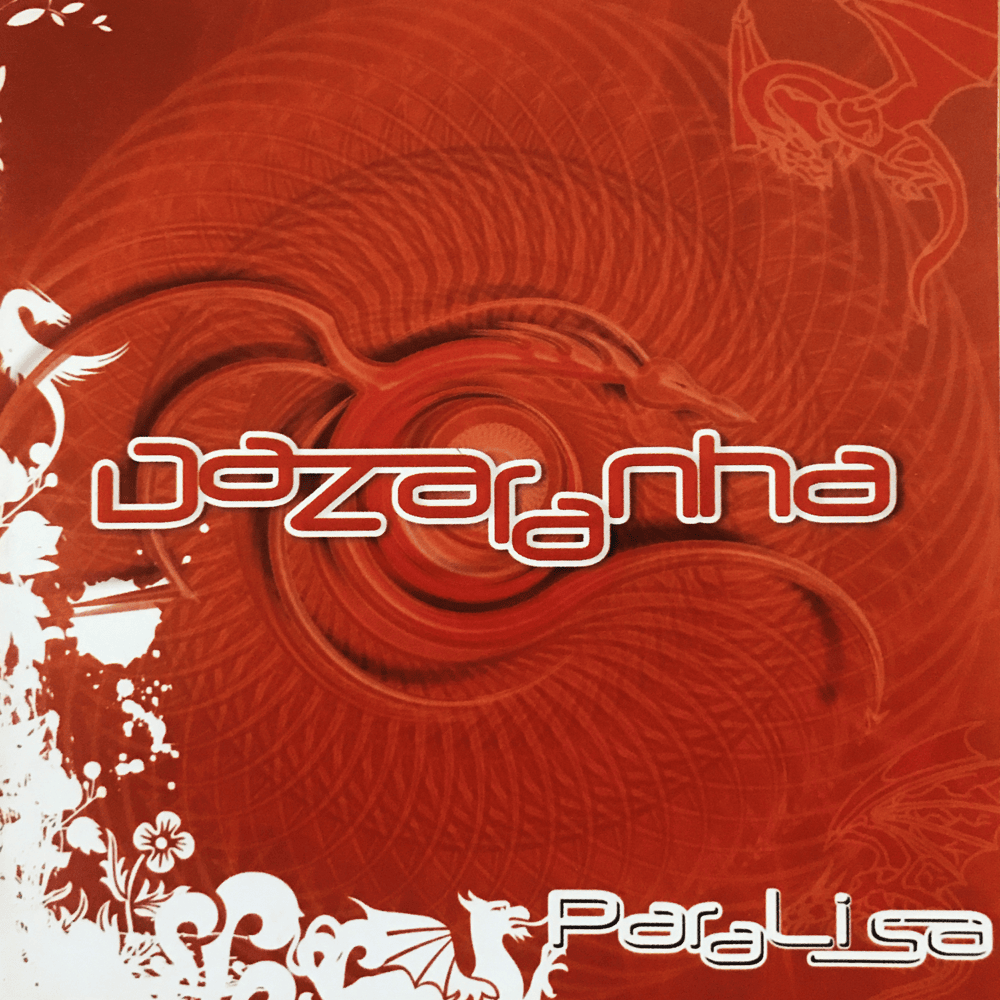
 View Artist