Song Meaning
The lyrics paint a picture of pervasive, systemic paralysis, affecting everything from individual bodies to societal structures. The repeated phrase "Ele paralisa" (He/It paralyzes) acts as a relentless force, freezing action and progress. This isn't just about physical stillness; it extends to "a barriga da miséria" (the belly of misery) and "turma da panela" (the clique), suggesting a societal stagnation fueled by economic hardship and insular groups. The imagery moves from the personal, like "músculos de aço" (muscles of steel) being rendered immobile, to the grand scale of "o Senado e os coronéis" (the Senate and the colonels) being halted.
The central tension arises from the contrast between inherent strength or potential and its ultimate futility against this paralyzing force. "Nossos músculos de aço" are presented as powerful, yet they are ultimately subject to paralysis. This creates a sense of helplessness, where even the most robust efforts or the most natural instincts – like "crianças brincando de estátua" (children playing statue) or "o ratinho, o rato, a rata" (the little mouse, the mouse, the female mouse) – are caught in the same freeze. The lyrics suggest a universal inability to escape this state, affecting "o ser que ainda será você" (the being that will still be you).
The most striking craft element is the sheer breadth of what is paralyzed, creating a disorienting but powerful effect. It moves from the specific, like a "falcatrua no sistema único de saúde" (fraud in the unified health system), to the abstract, "nossos sonhos" (our dreams) and "nosso amor" (our love). The juxtaposition of the mundane with the profound, and the personal with the political, underscores the all-encompassing nature of this paralysis. The image of a helicopter's propeller stopping "Em pleno voo" (mid-flight) is particularly potent, signifying a catastrophic halt to momentum and life itself.
Ultimately, the effectiveness of these lyrics lies in their relentless cataloging of immobility. By listing so many disparate elements that are brought to a standstill, the song creates an overwhelming atmosphere of dread and inevitability. The repetition of "Ele paralisa" acts like a ticking clock or a heartbeat slowing down, emphasizing the inescapable grip of this force on both the individual and collective experience. The final lines, lamenting "Saudades do que for" (Longing for what was/will be), encapsulate the deep sense of loss that accompanies such widespread stagnation.
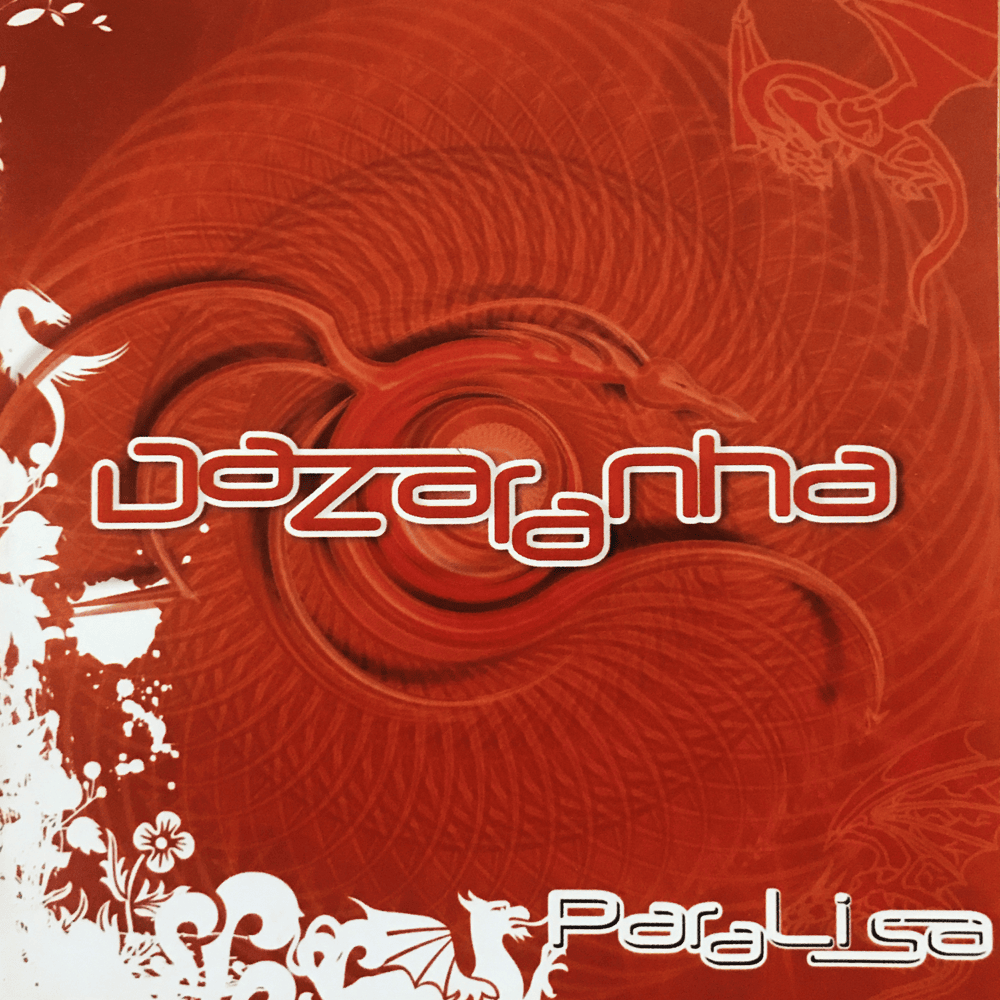
 View Artist