Song Meaning
The lyrics paint a picture of a serene, almost languid encounter by a river. The narrator, initially drifting with solitude, spots someone by the canal. This chance meeting, marked by a shared smile and simple pleasantries, unfolds against the backdrop of a setting sun casting a warm glow on the Serra do Mar. The scene feels peaceful, a moment of quiet connection by the water.
The core tension seems to lie in the transition from solitude to shared existence. The narrator's initial state is 'remando leve eu vinha com a solidão,' but this is immediately interrupted by the sighting of 'ela com o controle na mão.' The subsequent interaction, though brief, hints at a potential shift. The question about the tide and the shared smile suggest an opening, a moment where individual paths might merge.
The most striking element is the lyrical leap from a casual encounter to the profound declaration of family. The lines 'Um e um já não são dois / São nossos filhos / E os filhos dele depois' are a powerful, compressed statement of commitment and future. This rapid progression from 'Olá, e aí' to the establishment of a lineage is unexpected and deeply resonant, suggesting that this seemingly simple meeting carries the weight of future generations.
This lyrical craft is effective because it grounds a significant emotional and existential shift in a very specific, sensory moment. The 'sol caía na Serra do Mar' provides a tangible, beautiful setting for this profound realization about life and continuity. The contrast between the gentle, almost passive beginning and the expansive, forward-looking conclusion creates a sense of wonder and the quiet power of connection.
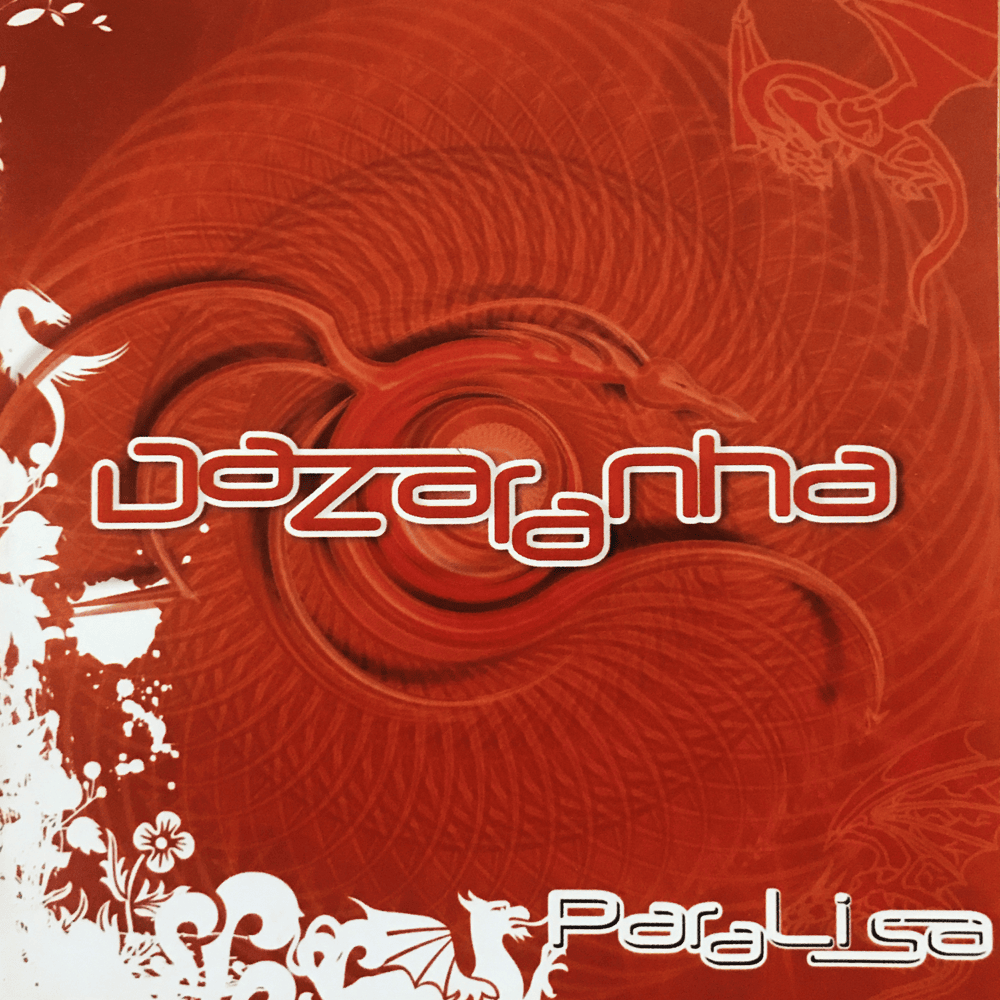
 View Artist