Song Meaning
This track paints a stark picture of a child navigating a dangerous environment, starting with a climb up a perilous hill. The lyrics immediately establish a sense of urgency and hidden struggle, noting that the ascent with twenty-five will result in a descent with over a hundred, implying a transformation or an increase in numbers, perhaps a group joining or a situation escalating. The narrator emphasizes the need for anonymity, stating that 'nobody notices where he comes from,' highlighting a life lived under the radar, marked by a child's stature but armed with a 'why,' suggesting a precocious understanding born from harsh realities. The child knows the 'game of having nowhere to live,' sleeping on the street and waking up unwillingly, a life devoid of agency.
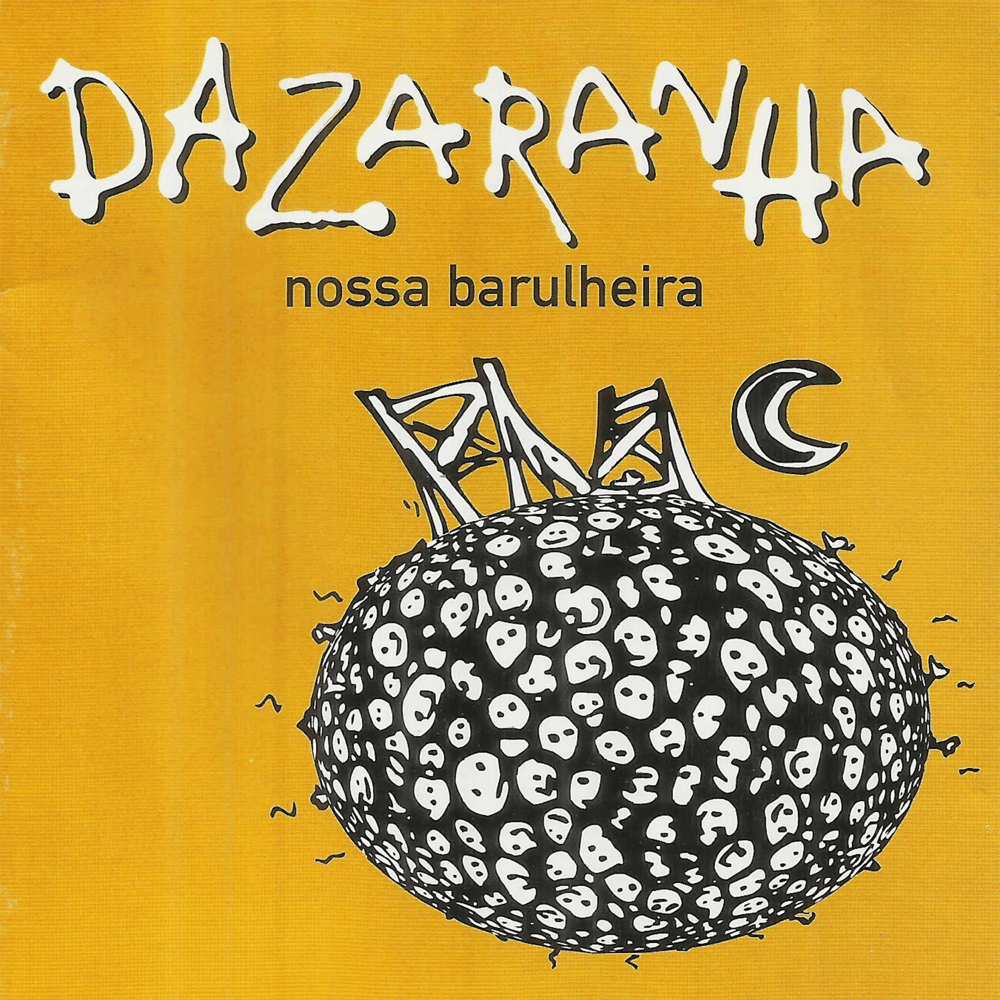
The central tension revolves around the stark contrast between the child's innocence and the brutal circumstances. The phrase 'Nossa Barulheira' (Our Noisiness/Commotion) acts as a poignant descriptor for this chaotic existence. The imagery of 'the cart is on the slope, the cart will descend' evokes a sense of inevitable momentum and potential disaster, a force that cannot be stopped. The child's attempt to 'go out the crooked side to not complicate things' suggests a survival tactic, a way to navigate danger by avoiding direct confrontation, yet the 'ciranda, cirandinha' (ring-around-the-rosy) motif introduces a disturbing juxtaposition of childhood play with the harshness of reality. The lyrics question whether this is a 'turn the world took' or 'the turn the world is taking,' implying a cyclical or ongoing societal failure.
The most striking craft element is the subversion of the familiar children's rhyme 'Ciranda, cirandinha.' This innocent game is placed within a context of danger and hardship, creating a profound sense of unease. The line 'The place for this child is in the circle of play' is delivered with heavy irony; the lyrics have just detailed a life far removed from any safe 'circle of play.' This deliberate contrast underscores the tragedy of a childhood lost to circumstances, where the natural order of play and safety has been violently disrupted. The writing effectively uses these familiar cultural touchstones to amplify the emotional weight of the child's plight, making the loss of innocence feel all the more profound.
 View Artist