Song Meaning
The lyrics paint a picture of a society teetering on the brink, a sense of impending doom underscored by the repeated phrase "These days are on fire." The imagery of "Rome" evokes a powerful, once-great entity now facing its end, a feeling amplified by the "hanging cloud" that looms over the populace. There's a palpable tension between the grandeur of an "empire" and the desperate, almost futile pronouncements made to its people, shifting from "softly spoken" to "screamed from atop a precipice."
The central conflict seems to lie in the struggle for meaning and survival amidst collapse. The narrator acknowledges falling "short" but also finds a sliver of hope in the fact that "these roads take us anywhere past" the immediate devastation. This duality is captured in the contrast between the "badlands" and "blight" and the potential for "a spot of good fortune" beyond them. The call to "Grab the plowshares. Turn them to swords" suggests a desperate pivot from creation to defense, a forced adaptation to survive.
The most striking craft element is the juxtaposition of grand historical allusion with raw, immediate pronouncements. The phrase "last days of Rome" lends an epic, almost inevitable quality to the present crisis, while the raw repetition of "These days are on fire" grounds it in an urgent, burning present. The shift from "These days won't mean a thing" to "These days never meant a thing" suggests a profound re-evaluation, a stripping away of past significance in the face of overwhelming present reality.
Ultimately, the lyrics resonate because they capture a feeling of being caught in a moment of profound change, where the old structures are crumbling and the future is uncertain. The narrator’s final admission, "And we come up short / But we come up with something / At least so far," offers a fragile, hard-won resilience. It’s not a triumphant victory, but a quiet acknowledgment of persistence in the face of overwhelming odds, a testament to finding a way forward even when the path is unclear and the past is burning.
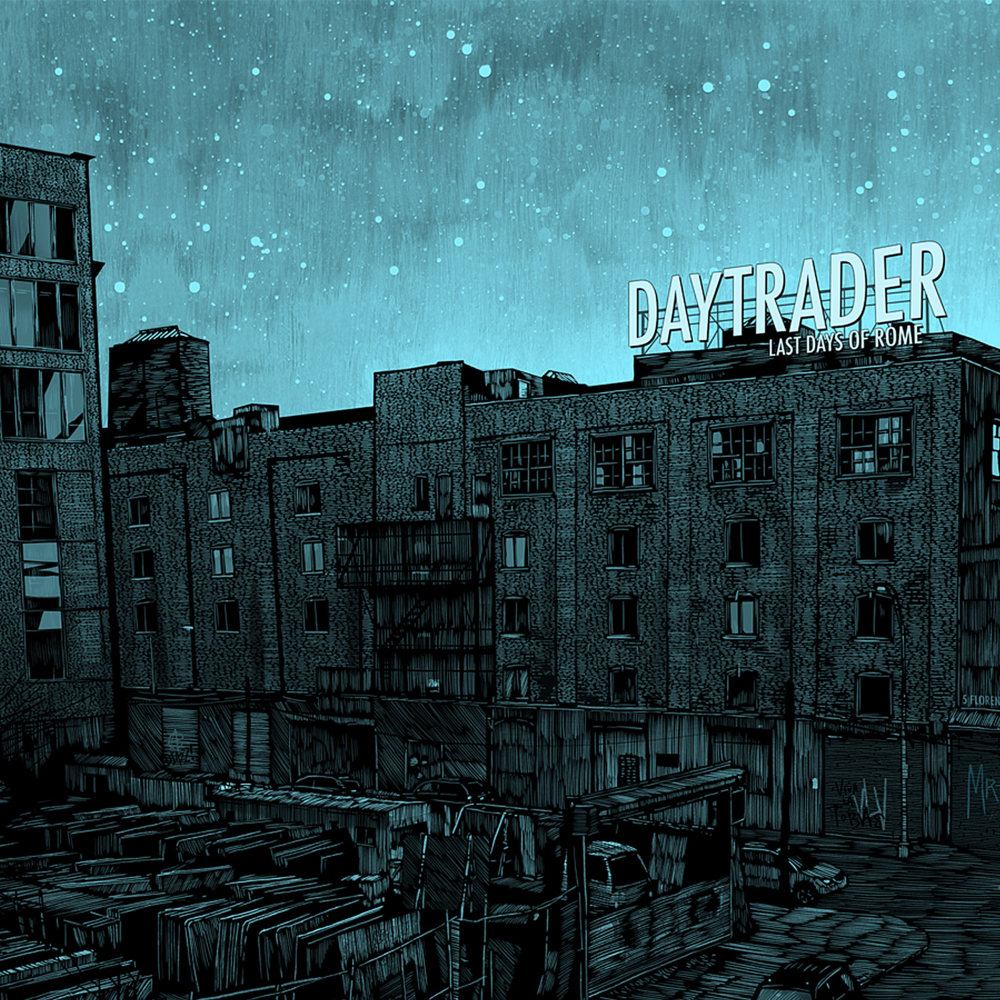
 View Artist