Song Meaning
Dawn Landes's "Mount Everest" isn't about conquering a mountain; it's about confronting the Everest within. The repeated questioning – "Why would you climb Mount Everest?" – sets up a framework for exploring the internal motivations that drive us toward seemingly impossible challenges. It's a dare posed by an 'Inquisitor,' a representation perhaps of self-doubt or external pressure to justify ambition. Landes flips the script, though, suggesting the 'why' isn't about the destination, but the transformative process itself. The climb, the row, the struggle—they exist as conduits for self-discovery. The lyrics imply that ignoring these internal callings leads to a kind of stagnation, a failure to realize one's full potential. The mountain is simply 'there,' an invitation to engage with the deepest parts of oneself.
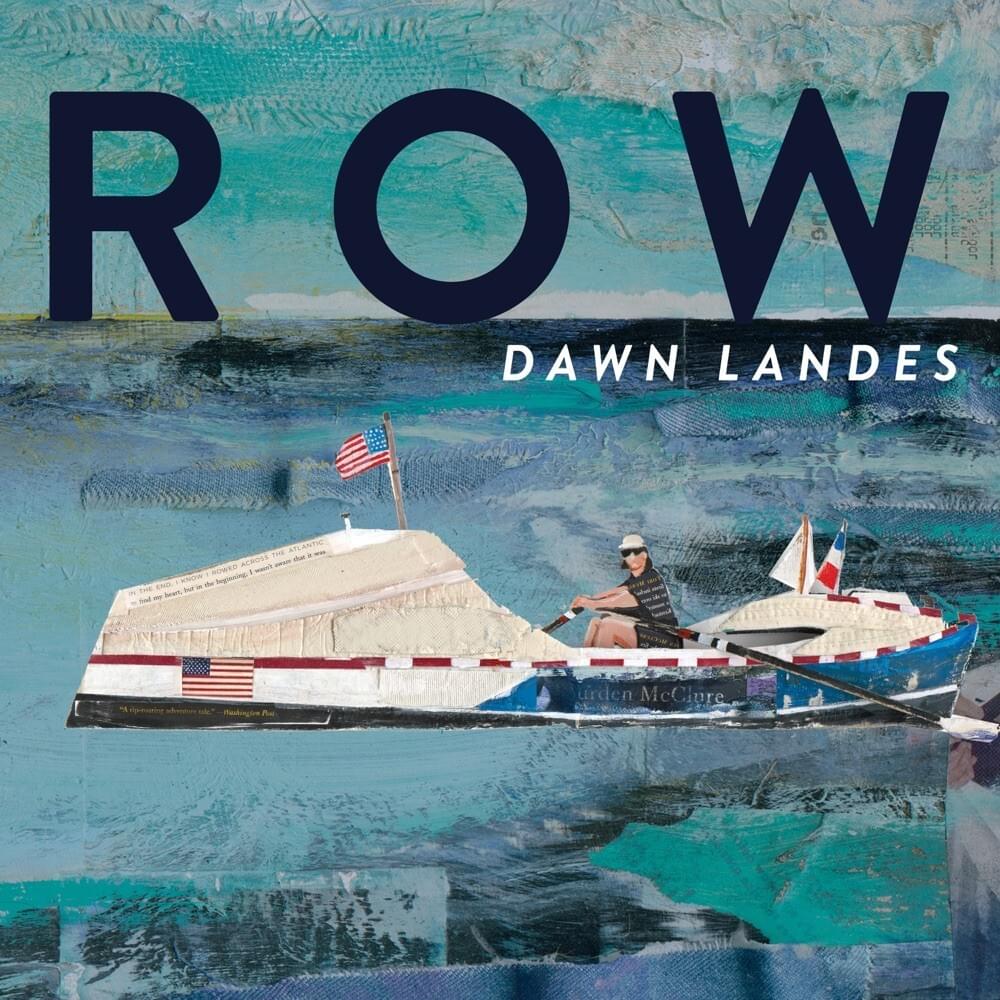
Landes cleverly uses the metaphor of the caterpillar's metamorphosis to deepen the song's meaning. The painful, isolating process of transformation within the cocoon is necessary for the emergence of something beautiful and free. It’s a potent image of embracing discomfort and uncertainty as prerequisites for growth. The rowboat, similarly, represents a journey into the unknown, a willingness to surrender to the process and 'see what becomes of me.' The 'solitude and uncertainty' aren't obstacles to be avoided, but rather essential components of the journey toward self-realization.
Ultimately, "Mount Everest," is a powerful meditation on the human need for self-transcendence. The song hints that avoiding these internal climbs only allows our 'demons' to fester and gain control. The final verse shifts subtly, from confronting 'demons' to confronting 'dreams,' suggesting that the true challenge lies not in battling our fears, but in daring to pursue our most audacious aspirations. The image of the seagull, soaring highest and seeing the most, encapsulates the yearning for a wider perspective, a deeper understanding that can only be attained through the act of pushing one's own boundaries. Dawn Landes offers a compelling argument: the climb is the answer, and the view from the top is a clearer vision of ourselves.
 View Artist