Song Meaning
The narrator, reeling from a breakup, asserts a defiant independence. The immediate aftermath of being left is a blur of late nights and a desperate need for reassurance that's now absent. This sets the stage for a raw declaration of personal freedom, even if that freedom is expressed through self-destructive behavior. The core message is a blunt refusal to be policed.
The central tension lies between the pain of abandonment and the fierce, almost aggressive, claim of autonomy. The narrator isn't just sad; they're actively pushing back against any perceived judgment. They're embracing a chaotic lifestyle – getting drunk, staying out late, feeling the blues – as a direct consequence of the breakup, but framing it as a matter of personal choice, not a cry for help. It’s a shield against vulnerability.
The repeated chorus, "Well it ain't nobody's business what I do," acts as both a mantra and a wall. It’s a simple, powerful assertion that shuts down inquiry. The specific details of their actions – "blues in my head," "drinking in the bars," "heel is on both my shoes" – paint a picture of dishevelment and perhaps recklessness, but these are presented not as signs of weakness, but as evidence of their unassailable right to self-determination. The image of having "breakfast at midnight" further emphasizes a life lived outside conventional norms, a direct result of the partner's absence.
This lyrical approach is effective because it grounds the abstract idea of independence in concrete, relatable (if messy) actions. The bluntness of the chorus, juxtaposed with the specific, slightly desperate details of the verses, creates a compelling portrait of someone trying to reclaim control. It’s the sound of someone drawing a line, daring anyone to cross it, and finding solace in the very act of defiance.
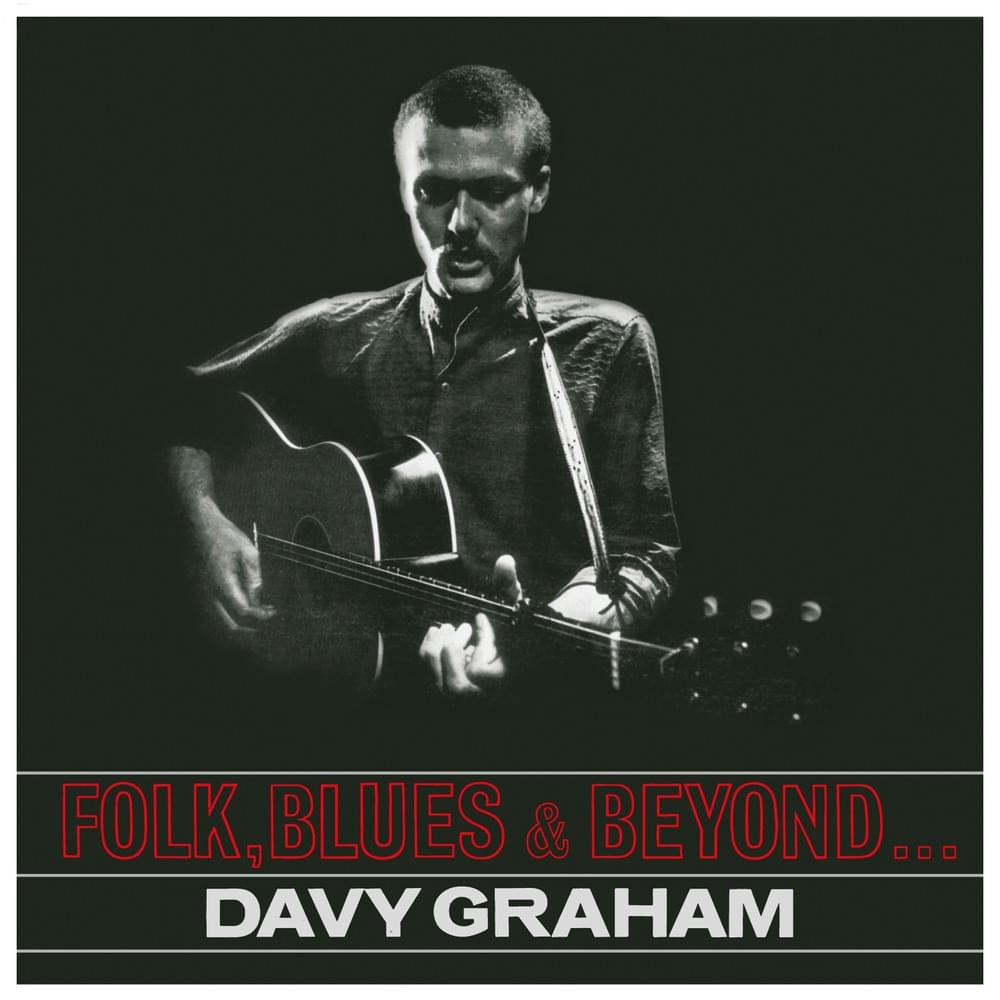
 View Artist