Song Meaning
The lyrics open with a tentative check-in, a hesitant reach across a divide. The speaker asks about basic well-being, "밥은 잘 먹고 다녀 그래" (Are you eating well?), before admitting their own "조급해진 맘" (impatient heart) led them to send a message. There's a clear acknowledgment that time has passed and an offer of patience: "지금 대답 안 해 줘도 돼 / Take your time" (You don't have to answer now / Take your time), suggesting a desire to mend something broken without demanding immediate resolution.
The core tension lies in the stark contrast between past affection and present regret. The narrator recalls a tender beginning, "우리 처음 봤던 / 그날 너와 나 설레었던" (When we first met / That day, you and I were excited), remembering a love they felt was pure and sufficient. This memory is shattered by the realization of their own misjudgment: "Why was I so wrong?" The lyrics reveal a painful pattern where words spoken "맘과는 반대의 말로" (with words opposite to my heart) inflicted hurt, a pattern the speaker now desperately wishes to undo, even knowing it might be "소용없단 거 알아도" (even though I know it's useless).
The most striking element is the narrator's self-inflicted punishment, a profound sense of deserving the worst. They acknowledge that their actions led to the other person's pain, turning love into "원망과 증오로" (resentment and hatred). The imagined consequence of leaving is not relief but a life worse than death: "죽는 것보다 못한 / 삶을 살아가겠지" (I will live a life worse than death). This extreme self-condemnation underscores the depth of their remorse and the perceived irreparable damage they've caused.
Ultimately, the effectiveness of these lyrics stems from their raw, unflinching portrayal of regret and the weight of past mistakes. The repeated, almost desperate "미안해 I'm sorry" (I'm sorry) isn't just an apology; it's a confession of profound failure and a plea for a reckoning the speaker feels they deserve. The final "사랑해 I'm sorry" (I love you, I'm sorry) is a devastating juxtaposition, encapsulating the enduring affection tangled with the unbearable pain they've inflicted, making the apology feel both heartfelt and tragically insufficient.
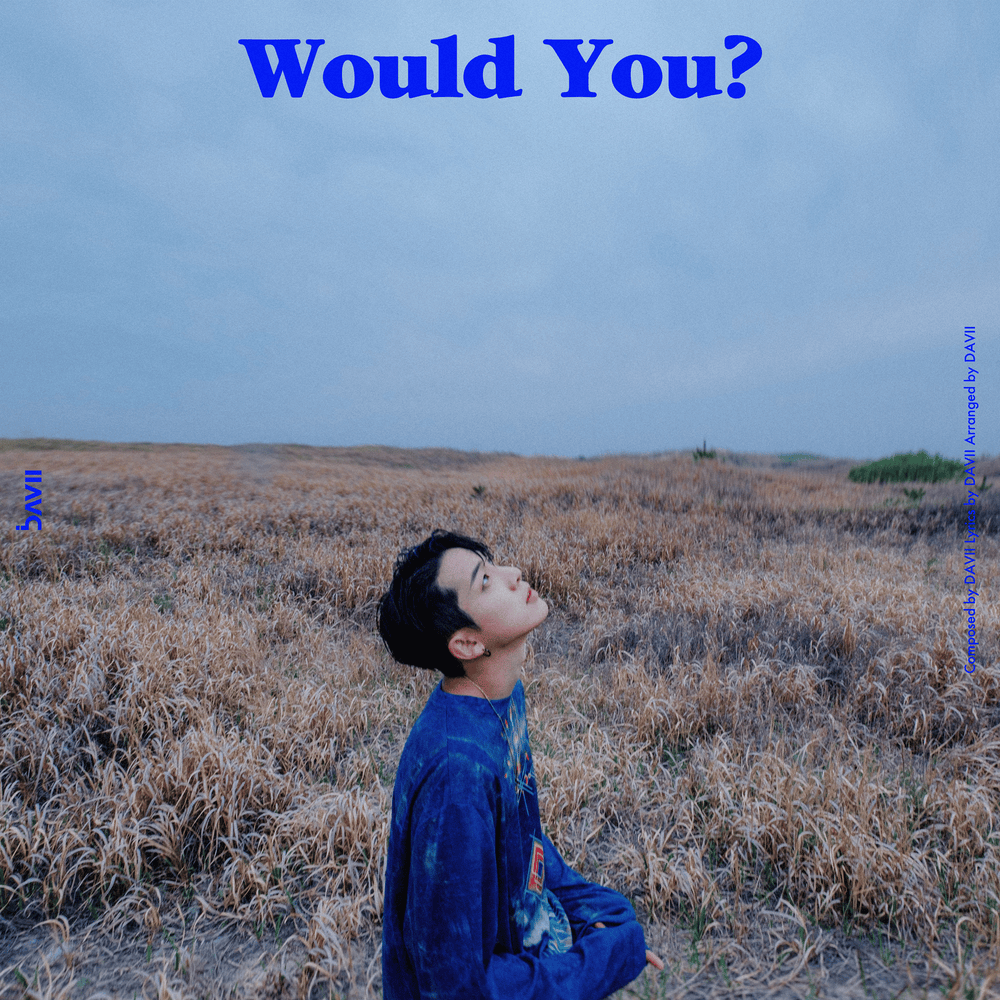
 View Artist