Song Meaning
The lyrics paint a stark, almost primal scene of a narrator seeking solace and identity in a harsh, elemental landscape. The repeated pleas, "Welcome me father" and "Welcome me mother," coupled with the chilling descriptions of "North shores of Lapland," "earth here is yawning," and "lava is rising," establish a sense of profound displacement and a desperate search for belonging. The narrator’s body is "shaking / For want of a flame," suggesting a deep, existential coldness and a need for warmth or guidance that is conspicuously absent, even from the parental figures who "knows no name."
The central tension lies in the narrator's struggle with overwhelming circumstances, expressed through a paradoxical reaction: "Got to laugh / The kickback is lightening" followed by "Got to laugh / This whole mess is frightening." This juxtaposition reveals a coping mechanism, a forced levity in the face of immense fear and instability. The act of laughing becomes a way to acknowledge the terror while simultaneously attempting to diminish its power, a fragile defense against being "drowning" in the overwhelming "mess."
The phrase "I follow the pollen path" acts as a central, enigmatic anchor. Pollen, typically associated with new life and growth, here suggests a direction or a destiny that is perhaps natural but also ephemeral and potentially suffocating. It’s a path that leads away from the immediate, overwhelming present, hinting at a journey toward something unknown, possibly a continuation of the cycle of life and decay that the earth's yawning maw and rising lava seem to represent.
The later verses introduce a weariness with prolonged suffering and division. The repetition of "Too long, too long" underscores a deep-seated exhaustion with a shared "heartache" and the meticulous "dividing the hours / To measure the time" and "Numbering / What's yours, what's mine." This suggests a history of conflict or emotional stagnation, where even "sadness" has been "harboured" for an extended period, leading to a collective need to find a voice, "to sing us our songs," perhaps to break free from this cycle of pain and possessiveness.
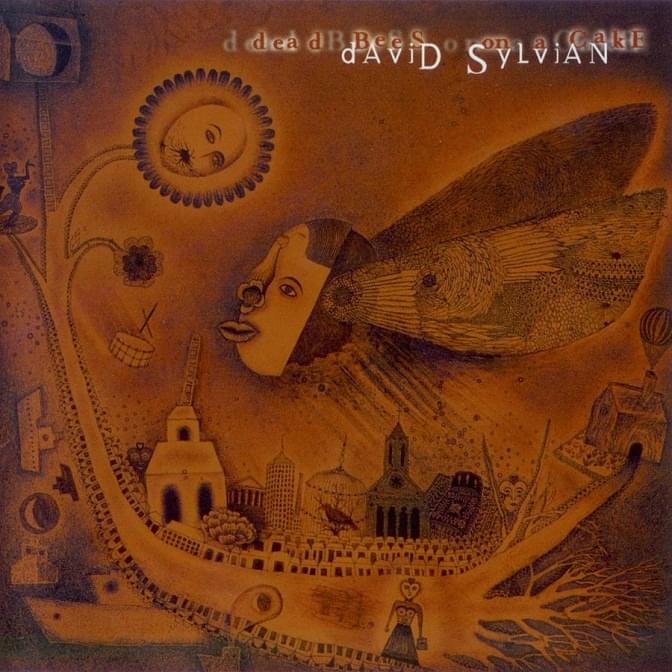
 View Artist