Song Meaning
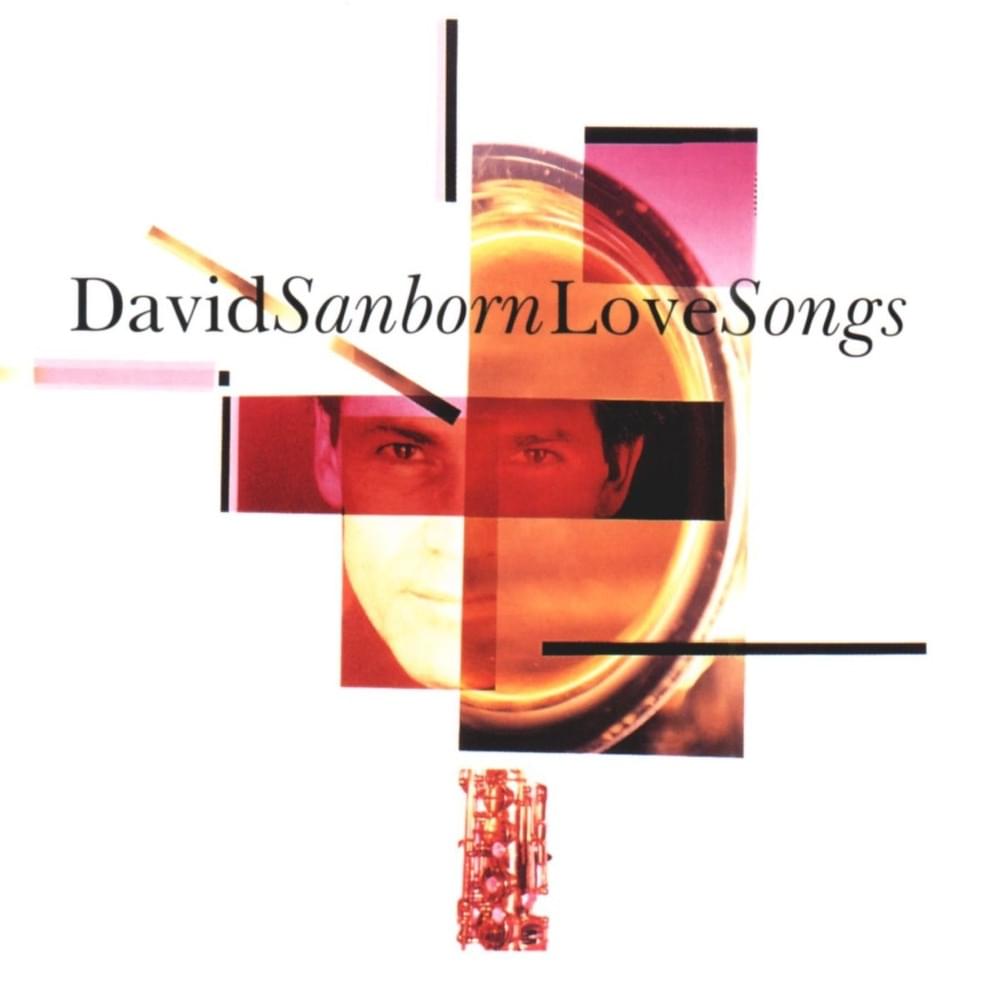
David Sanborn's instrumental take on "The Water Is Wide" strips away the comforting familiarity of the folk standard, leaving listeners to confront the song's core anxieties head-on. The absence of vocals forces a deeper engagement with the melody itself, a mournful, almost pleading statement that hints at the vast emotional distance separating two individuals. Sanborn's saxophone becomes the voice of longing, the instrument's breathy sighs and soaring cries embodying the yearning expressed in the original lyrics.
The song's enduring power lies in its unflinching depiction of love's precarious nature. The water, a recurring motif, symbolizes the emotional gulf that can develop even between the most devoted partners. The lyrics speak of a desire for connection ("Give me a boat that can carry two / And both shall row - my love and I"), but also acknowledge the overwhelming depths of feeling that can threaten to drown even the strongest relationships. The loaded ship, sinking or swimming, becomes a metaphor for love's inherent vulnerability.
Ultimately, "The Water Is Wide" is a meditation on time and its corrosive effect on even the most passionate connections. The gentle, kind love initially described inevitably "grows old, and waxes cold / And fades away like morning dew." Sanborn's interpretation amplifies this sense of loss, transforming a simple folk song into a profound exploration of love's fleeting beauty and the inevitable pain of its passing. The song meaning, therefore, becomes a universal lament for lost intimacy and the bittersweet recognition of love's impermanence.