Song Meaning
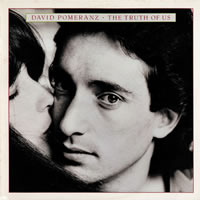
David Pomeranz's "The Truth Of Us" isn't a breakup ballad; it's a melancholic agreement to pretend. The song nests in that uncomfortable space where a relationship's external appearance clashes violently with its internal reality. The opening lines offer a strange comfort: "Though it appears we're through, Don't let that illusion make you sad." The core idea suggests a separation enacted for appearances, a charade masking a deeper, perhaps inconvenient, connection. It's a performance of moving on, rather than genuine detachment. The singer implies an enduring bond so profound that even future relationships will only echo what they shared. This isn't about bitterness; it's about a shared understanding of a love that can't exist openly. The lyrics paint a picture of lovers caught in a societal or circumstantial trap, forced to play roles that deny their true feelings. The repeated line, "The truth of us is simply living a lie," emphasizes the painful dissonance between their authentic selves and the facade they maintain.
The song introduces a fascinating psychological concept: the idea that moving on is a performance, a way to "prove we're so aware and free." This hints at external pressures forcing the separation, societal expectations, or perhaps personal insecurities that prevent the relationship from thriving openly. The singer acknowledges the inevitable repetition of patterns: "no matter how we run, They're always gonna look like you and me." Future partners become mere stand-ins, pale imitations of the original, undeniable connection. This speaks to a love so deeply ingrained that it warps the individual's perception of subsequent relationships.
Ultimately, "The Truth Of Us" offers a bittersweet hope. The lines "We will find all that was strong, We will right all that is wrong" suggest that this separation is temporary, a necessary detour before rediscovering their bond. The repetition of "in a little while" acts as a mantra, a promise of eventual reunion. The song avoids the histrionics of a typical love song, opting instead for a quiet resignation mixed with persistent hope. It's a mature acknowledgment of complex circumstances, and a testament to the enduring power of a love that defies easy categorization. The final instruction, "Don't cry…don't cry," is not just a plea, but a shared understanding, a silent agreement to endure the charade with grace and patience until they can reclaim their truth.
 View Artist