Song Meaning
The lyrics paint a stark picture of impermanence, contrasting fleeting earthly phenomena with the enduring nature of love. We see a cascade of images: a shooting star's brief flare, a rose losing its scent, the moon disappearing at dawn, and fortunes crumbling like sandcastles. Even power and fame are presented as transient, quickly fading from existence. This initial setup establishes a world where almost everything decays, fails, or vanishes.
The central tension arises from this overwhelming evidence of transience against the repeated, almost defiant assertion that "love, love goes on." The narrator meticulously lists the things that inevitably end – beauty, passion, youth, even life itself, as death "steals a lover's touch away." Yet, after cataloging these losses, the lyrics pivot back to the singular, unwavering idea of love's persistence, suggesting it transcends these universal endings.
The most striking element is the final stanza's shift to a narrative that seems to reference a specific, profound story of sacrifice and resurrection. Images of a "baby Boy," "kings on bended knee," "healing hands," and being "tortured on a tree" strongly evoke a religious context. This is followed by a woman's cry of "He is risen, He is gone!" This specific, powerful example serves as the ultimate testament to the lyric's core message, framing love not just as an emotion but as a force with a redemptive, ongoing narrative.
This juxtaposition of the everyday ephemeral with a profound, almost cosmic story of love's triumph over death is what makes these lyrics resonate. By grounding the abstract concept of enduring love in concrete, albeit varied, examples—from a wilting flower to a divine sacrifice—the writing builds a compelling case for love's unique ability to persist beyond all decay and loss. The repetition of "love goes on" acts as a steady anchor in a sea of change.
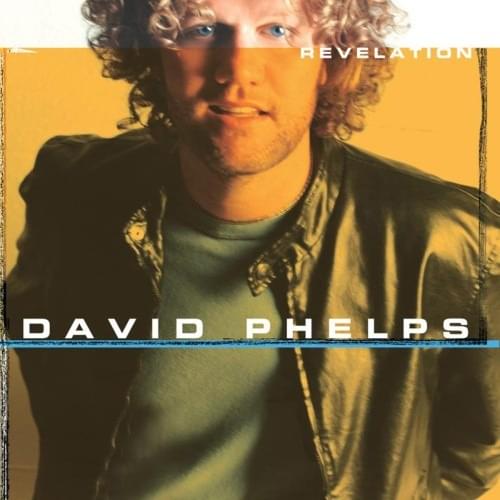
 View Artist