Song Meaning
This song reframes religious doctrine through a lens of unconditional love and personal liberation. It bypasses traditional theological debates, focusing instead on a direct, empowering message: the listener is central to a divine act of salvation. The lyrics assert that past mistakes are irrelevant, positioning a higher power's intervention as a direct response to the individual's need, aiming to release them from internal and external constraints. It's a call to shed burdens and embrace a forgiving, loving presence.
The core tension lies between the weight of past transgressions and the promise of immediate freedom. The narrator confronts the listener with the idea that external laws or personal efforts are insufficient for redemption. Instead, the lyrics propose a radical forgiveness, suggesting that no one is qualified to judge another because of this divine intervention. This creates a dynamic where the listener is encouraged to release accumulated guilt and shame, moving from a state of darkness to one of light.
The repeated phrase "Break free" acts as a powerful mantra, emphasizing the active choice involved in liberation. The imagery of "chains" and "healing tide" contrasts the restrictive nature of guilt with the cleansing power of mercy and love. This juxtaposition highlights the transformative potential of accepting this offered pardon, suggesting that true freedom comes not from self-atonement but from embracing external grace. The lyrics repeatedly stress that this freedom is accessible, urging the listener to actively "loose the chains" and "leave them all behind."
Ultimately, the effectiveness of these lyrics stems from their direct, almost conversational address and their focus on personal agency within a framework of divine acceptance. By stripping away complex theology and emphasizing love and forgiveness, the song offers a potent message of hope. It empowers the listener by asserting their inherent worth and the availability of a path to release from self-imposed or externally judged limitations, making the abstract concept of salvation feel tangible and immediate.
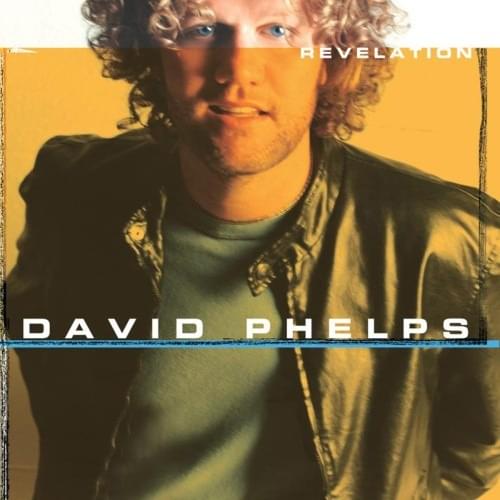
 View Artist