Song Meaning
The lyrics paint a stark picture of stillness against the memory of life, centered on a figure unresponsive to the sun's warmth. The opening lines evoke a past where sunlight was a gentle awakener, a force that brought life from dormancy, even across distances like "France." This familiar, life-giving sun is now contrasted with a present reality of "this morning and this snow," a scene that renders its usual power futile.
The central tension lies in the desperate hope that the sun, the ultimate symbol of renewal, might still rouse the motionless figure. The narrator poses a series of rhetorical questions, grappling with the seeming paradox of a sun that can awaken dormant seeds and even the "clays of a cold star" but fails to stir limbs "too hard to stir." This highlights a profound helplessness, a confrontation with an immobility that defies natural laws of awakening.
The most striking craft element is the personification of the sun as a knowing entity, the "kind old sun will know" if anything can rouse him. This imbues the natural world with an almost sentient awareness, making its failure to act a more poignant indictment of the situation. The shift from the gentle "whispering of fields half-sown" to the "fatuous sunbeams toil" underscores the immense effort and ultimate disappointment.
These lyrics resonate because they capture the agonizing helplessness of witnessing a loved one's profound stillness, where the very forces that signify life and renewal are rendered powerless. The writing forces the reader to confront the limits of natural processes when faced with an absolute cessation, making the narrator's final, despairing question about the sun's "toil" a gut-wrenching expression of grief and bewilderment.
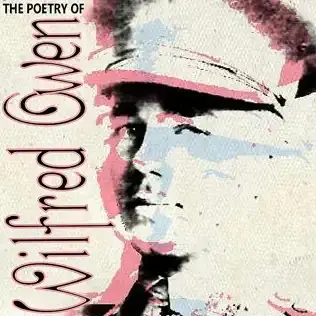
 View Artist