Song Meaning
The lyrics paint a poignant picture of transient affections and memories, starting with the wilting baby's breath contrasted with an unforgettable rose. This immediately sets a tone of things fading, even when they were once vibrant and significant. The narrator questions the fate of these ephemeral moments, observing how they are eventually set aside, much like a bookmark after the story is finished, or old cassettes gathering dust.
The central tension lies in the narrator's repeated pattern of offering love freely, only to witness it depart. The phrase "almost and always" captures this cyclical experience of giving and losing, suggesting a persistent yet ultimately unfulfilled emotional investment. It’s a feeling of constant offering without lasting reception, a love that is always present in the act of giving but never permanently held.
The craft here hinges on evocative, slightly melancholic imagery of things that were once cherished but are now relics. The comparison of love to a bookmark that's "shelved away" when the story ends is particularly sharp, highlighting how even moments of intense connection can become footnotes. The "old cassettes" and "rainy weather postcards I've written down / But never sent" further solidify this theme of past affections and unexpressed feelings that linger but don't quite reach their destination.
This writing is effective because it taps into a universal sense of loss and the bittersweet nature of memory. The specific, tangible images—drying flowers, dusty tapes, unsent mail—ground the abstract feeling of love leaving. The narrator's resigned repetition of "almost and always" creates a quiet ache, a feeling of inevitability that resonates deeply with anyone who has experienced love's fleeting nature.
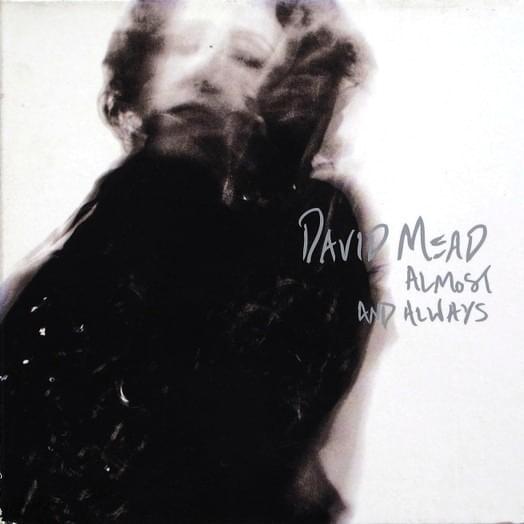
 View Artist