Song Meaning
David Lebón's "Las Cosas que Dijiste" unfolds as a sunrise after a long, isolating night. The opening lines, "Y al despertar vi mucha luz / Nunca me sentí tan pleno," aren't just about physical awakening; they signify a profound emotional and spiritual rebirth. The song explores the journey from emptiness and coldness to a state of fullness and warmth, suggesting a reconnection with love and self-acceptance. The lyrics hint at a prior state of emotional deprivation, with Lebón singing, "Mi corazón volvió a encontrar / Cómo pudo estar vacío." This suggests a period of disconnection, perhaps from a significant relationship or even from his own inner self.
The core of "Las Cosas que Dijiste" resides in its exploration of simplicity and gratitude. The lines "La sencillez llegó a su hogar / Ya no hacía tanto, tanto frío" speaks to the transformative power of finding peace in simplicity. The repetition of "tanto" emphasizes the depth of the previous coldness, making the arrival of simplicity all the more impactful. There's a palpable sense of release and a conscious effort to embrace the present moment, encapsulated in the phrase, "¿Por qué llorar? Mejor es respirar." This isn't just about avoiding sadness; it's about actively choosing life and presence over dwelling on past hurts.
Ultimately, the song’s meaning turns on rediscovering connection. The lyrics "Qué simple es poder amar / Cuando ya no estás tan solo" underlines the vital need for companionship and self-love. The acknowledgment of past judgment ("Saber medir, ya no me juzgues más") suggests an appeal for understanding and acceptance. The final lines, "Recordaré cómo llegar / Quizás te vuelva a encontrar," offer a hopeful, open-ended conclusion. It’s not necessarily a guarantee of reunion, but a commitment to remembering the path to connection and remaining open to future possibilities. The song leaves us with a sense of renewed hope and the quiet strength found in embracing life’s simple gifts.
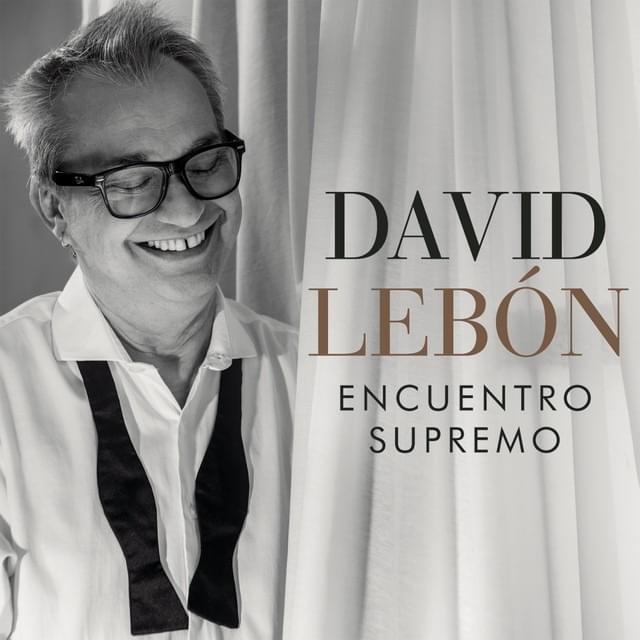
 View Artist