Song Meaning
David Lebón's "Dame La en Re" feels like a raw, almost stream-of-consciousness meditation on authenticity and connection in a world obsessed with conformity. The opening lines establish a core theme: finding your unique voice, your genuine expression ("Cada canción tiene un voz / Toda expresión sirve si sos"). He seems to be railing against the pressure to be "bienes," to be good or proper in the eyes of others, suggesting that striving for this kind of manufactured perfection only leads to losing oneself in the crowd ("Nadie será como el montón"). There's a palpable tension between societal expectations and the individual's yearning for something real. It’s a sentiment that resonates deeply in our hyper-curated, social media age, where the line between genuine self and projected image is constantly blurred.
The second verse introduces a sense of urgency and missed opportunities. Lebón laments wasted time and the inability to express love openly ("Vas perdiendo el tiempo / Ese tiempo que estas por dejar / Cada vez que nos vemos / No podemos decirnos el amor"). This could be interpreted as a commentary on the fear of vulnerability, the way societal pressures and personal insecurities often prevent us from fully embracing genuine connection. The plea, "Sin ti / Y yo sigo por Dios / Que nos hagan lo que vos / Podes hacer como vos," is particularly poignant, hinting at a desire for a transformative, perhaps even spiritual, connection that transcends the superficial.
The final verse dives into matters of truth and deception within relationships. Lebón confronts a situation where honesty is paramount: "Si es la verdad no que me quieres / No mientas mas todo esta bien." The subsequent lines, "Simple es el mal, simple el amor," suggest a belief in the fundamental simplicity of both good and bad, love and hate. He warns against succumbing to "ecos," the empty repetitions of others, emphasizing the importance of staying true to oneself. The closing lines, "Entregas tu conciencia / Y todo a cambio a cambio en mi amor," are ambiguous but powerful, perhaps speaking to the sacrifices one makes in the name of love, and the potential for both profound connection and profound loss that such vulnerability entails. Ultimately, "Dame La en Re" seems to be an appeal to embrace authenticity, to cherish genuine connection, and to resist the seductive pull of conformity, even when the stakes are high.
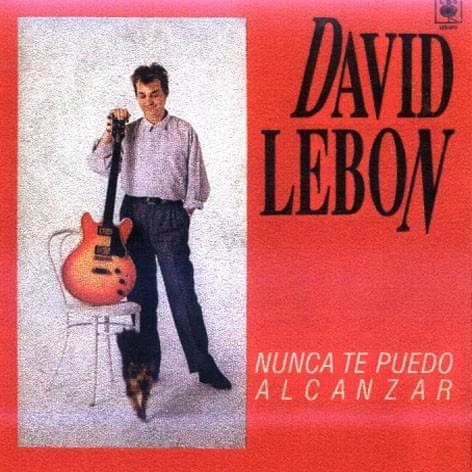
 View Artist