Song Meaning
David Lebón's "Cuando Puedas Solo" isn't just a song; it's a raw, internal excavation. It's a sonic rendering of the often-lonely journey toward self-discovery, a quest fueled by the desire to understand oneself and, crucially, to avoid inflicting pain on others. The opening lines, "Cada vez necesito encontrarme / A veces estoy solo / Para así entenderme más," immediately establish this theme of solitary introspection as a necessary condition for growth. The repetition of "Cuando pueda solo" (When I can be alone) acts as both a yearning and a promise – a future state where self-sufficiency allows for genuine connection. The lyrics analysis reveals a desire for emotional independence, a space where the singer can confront his inner demons and emerge stronger.
The chorus, with its plea to "Te suplico perderme hacia atrás" (I beg you to lose me backwards), suggests a need to break free from past relationships or patterns that hinder this self-realization. It’s not necessarily a rejection of the other person, but rather a recognition that true connection can only occur after individual healing. The bridge offers a glimpse of hope, a vision of a future where "El dolor no volverá" (The pain will not return) and a shared victory is achieved. This is not just personal salvation; it's a testament to the transformative power of mutual growth.
However, the song's brilliance lies in its final verses, where the perspective shifts slightly. "Cuando estemos solos / Los demás buscarán ya verás" (When we are alone / The others will look, you'll see). This suggests that the journey of self-discovery, while intensely personal, ultimately holds a universal appeal. The "others" are drawn to the authenticity and strength that emerge from this process of solitary introspection. "Cuando Puedas Solo" becomes an anthem for anyone striving to understand themselves, acknowledging that sometimes, the deepest connections are forged in the crucible of solitude.
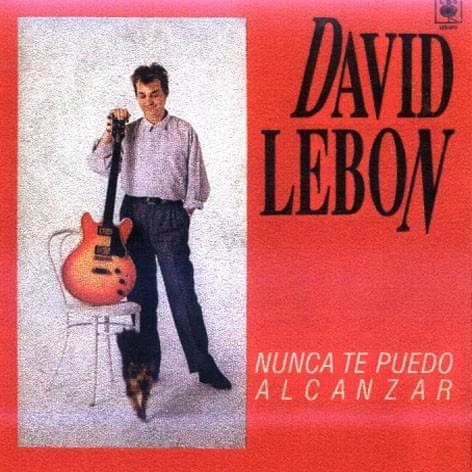
 View Artist